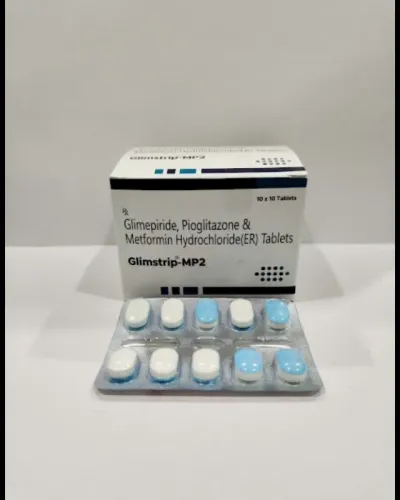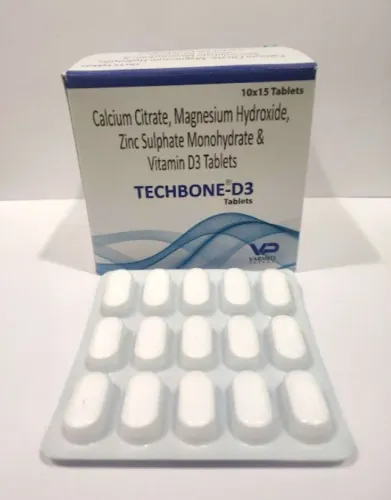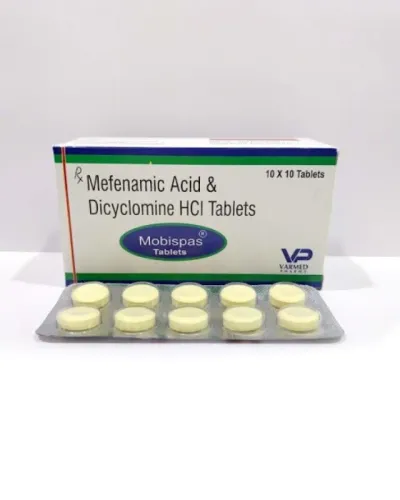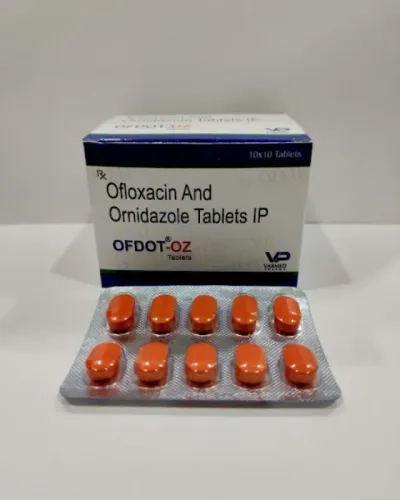

Starting an affordable medicine business requires more than selecting products with a low purchase price. You need to match the territory, licences, product portfolio, supplier terms, storage setup, cash reserve, and written distribution rights before placing the first order. By the end, you will have a practical framework for assessing the model, calculating the real investment, and operating it safely.
Key takeaways
- Confirm territory exclusivity in a signed agreement before buying stock.
- Obtain the required drug sale licence before supplying pharmacies or clinics.
- Compare batch traceability, expiry policy, margins and minimum order value.
- Calculate working capital for inventory, credit sales, transport and replacements.
What a Generic Pharma Franchise Actually Includes
A generic pharma franchise is a commercial arrangement in which a manufacturer or marketer appoints a distributor to sell specified generic medicines within an agreed territory. The distributor buys stock, supplies pharmacies, clinics, or institutions, and builds demand under the approved product names; the manufacturer remains responsible for lawful manufacture and product quality.
The arrangement normally defines:
- The territory, such as a district, state, or group of pincodes
- The product list, strengths, dosage forms, pack sizes, and printed maximum retail prices
- Purchase prices, discounts, credit terms, minimum orders, and expiry-return rules
- Sales channels covered, including retail pharmacies, hospitals, online sales, or tenders
- Complaint handling, recalls, adverse-event reporting, and termination conditions
| Model | What it means | Main distinction |
|---|---|---|
| Generic pharma franchise | A distributor receives products and territory rights for a generic medicine business | Focuses on affordable branded generics and territory development |
| PCD franchise | A commonly used commercial term for a similar manufacturer-to-distributor appointment | Often used for smaller territories and promotional selling; the contract controls the actual rights |
| Monopoly franchise | A franchise contract granting exclusivity in a defined territory or channel | Exclusivity is contractual, not a government-granted monopoly |
| Ordinary wholesale distribution | A wholesaler buys and resells available stock | Usually provides no exclusive territory or product-promotion appointment |
“PCD” and “monopoly” are not drug-sale or manufacturing licences. Obtain the wholesale, retail, and storage licences your activities require, while the manufacturer holds the applicable manufacturing licence. A generic need not copy a reference product’s colour or packaging; compare its active ingredient, strength, dosage form, route, quality standards, and approval evidence.
How to Start: Territory, Registration, Licences, and First Stock
Do not buy a single carton until you have confirmed the territory, licence category, storage premises, and sales channel. A “monopoly” territory is contractual exclusivity, not a government-granted monopoly, so record the territory, product list, duration, channels, minimum purchase, expiry returns, online sales, and termination terms in writing.
Follow this order:
- Map doctors, pharmacies, hospitals, competitors, and delivery routes in the proposed area. Select products for local demand rather than choosing a catalogue by size.
- Register the business, obtain PAN, open a current bank account, complete GST registration, and collect rent, ownership, electricity, and premises documents.
- Apply for the licence matching your activity. Arrange the required pharmacist appointment or competent-person qualification records before filing.
- Select products after checking composition, strength, dosage form, printed maximum retail price, batch details, expiry, and storage temperature. Compare the MRP with your purchase price and discount; they are not the same. For DPCO 2013 products, check the NPPA ceiling price. Non-scheduled formulations cannot increase annually by more than 10% over the preceding twelve months.
- Purchase a small first stock against a tax invoice and record product, batch, expiry, quantity, and transport conditions.
Licence needs change with the channel:
| Option | Licence or control | When it applies |
|---|---|---|
| Wholesale | Wholesale drug licence and qualified responsible person | Selling to pharmacies, hospitals, or dealers |
| Retail | Retail drug licence and pharmacist appointment | Selling directly to patients |
| Schedule H1 or X | Prescription, storage, and additional records | Handling those scheduled medicines |
Store stock under label conditions, separate near-expiry batches, and reorder from sales history. Retain H1 purchaser and prescriber records for three years, and preserve batch traceability for complaints, recalls, and adverse-event reports.
How to Compare a Generic Pharma Supplier Before You Buy
Reject a generic pharma supplier that will not show its manufacturing licence, product approvals, and traceable quality evidence. A private “WHO-GMP” certificate does not replace checking the applicable licence and Schedule M compliance.
| Evidence | What to verify | Warning sign |
|---|---|---|
| Documents | Manufacturing licence, GST invoice, product approval details, and applicable wholesale or storage licences | Licence holder and invoice issuer do not match |
| Product | Active ingredient, strength, dosage form, route, pack size, expiry, storage temperature, and approval status | “Generic” used without these particulars |
| Quality | Batch testing records, finished-product results, in-process controls, deviation and change-control logs | Only a certificate of analysis with no batch identity |
| Traceability | Batch number, expiry, transport record, invoice link, complaint route, and recall procedure | Supplier cannot isolate affected stock |
Ask whether the product is a new drug, fixed-dose combination, modified-release medicine, or another category covered by the New Drugs and Clinical Trials Rules, 2019. Where required, request evidence of bioequivalence or other approval data; generic status does not remove that obligation.
Confirm commercial terms in writing:
- Minimum order quantity, price revisions, GST treatment, freight, payment period, and credit limit
- Territory exclusivity, sales targets, expiry replacement, damaged-stock policy, and return deadlines
- Batch manufacturing and packing records, approved master formulas, and the contact responsible for complaints
Check that your own wholesale, retail, pharmacist, and premises requirements match the territory before ordering. Add an adverse-event process covering the product name, batch number, reaction, concomitant medicines, permitted patient details, and reporter information. If these checks fail, a low price cannot control recall, expiry, or regulatory risk.
Calculate the Real Investment and Owner’s Profit
Start with cash, not the supplier’s quoted discount. Your generic pharma franchise investment equals opening stock, setup costs, and working capital for the period between purchasing medicines and collecting customer payments.
- Opening stock: record taxable purchase value, GST on the invoice, freight, and any loading or insurance charges. Together, these form your landed acquisition cost.
- Working capital: reserve cash for rent, salaries, delivery, repeat orders, GST payment timing, and credit sales.
- Risk reserve: budget for expired or damaged units, approved returns, discounts, unpaid invoices, and product withdrawals.
- Setup costs: include licences, premises preparation, software, storage equipment, and opening promotion.
Do not treat printed MRP as sales revenue. If packs show an MRP total of Rs 2,00,000 but retailers receive them for Rs 1,35,000, your taxable sales are Rs 1,35,000; the difference is the retailer’s margin. Check the applicable Drug Price Control Order ceiling price, and remember that GST collected from customers is not profit.
Claim eligible input tax credit separately.
Calculate medicine business margin as follows:
Taxable sales collected minus landed cost of units sold minus freight and delivery minus expiry, returns, and write-offs minus bad debts and operating expenses equals cash operating profit.
Unpaid invoices remain receivables, not cash. Reduce profit for amounts you write off, and reduce available working capital immediately. For example, Rs 1,35,000 sales minus Rs 82,000 landed stock, Rs 6,000 freight, Rs 4,000 expiry, Rs 5,000 bad debt, and Rs 10,000 overhead leaves Rs 28,000 before tax.
Run the Territory: Monopoly Terms, Storage, Traceability, and Safety
Your agreement must define monopoly rights as a contract, not as a government-granted monopoly. Write down:
- Territory boundaries, named products, duration, and covered sales channels
- Minimum purchase targets and consequences of missed targets
- Online-sales rules, pricing authority, and appointment of sub-distributors
- Expiry returns, damaged-stock claims, payment terms, and termination procedure
Make medicine storage a documented routine. Record the storage temperature, inspect for moisture or damaged seals, keep products off the floor, separate saleable stock from quarantined stock, and apply “first expiry, first out.” A temperature log and delivery record protect you when heat exposure or an expiry dispute arises.
Batch traceability must connect every invoice to product name, batch number, expiry date, transport record, and remaining units. That trail lets you isolate one affected batch during a recall instead of freezing your entire territory.
Your daily control sheet should cover:
- Reorder levels, outstanding invoices, and near-expiry stock
- Customer complaints, photographs, samples, and investigation dates
- Recall notices, stock quarantine, customer notification, and return confirmation
- Prescription and storage controls for Schedule H, H1, and X medicines
Schedule H1 sales require a separate purchaser and prescriber record retained for three years. Schedule X adds stricter prescription, storage, and record controls. If you source antibiotics or steroids from Varmed Pharma Pvt Ltd, confirm each product’s schedule category before dispatch.
Run pharmacovigilance for suspected adverse drug reactions: capture the product, batch, patient details where permitted, reaction, other medicines, and reporter contact, then submit through the applicable reporting system. Your wholesale or retail licence must match the activities you actually perform.
Frequently asked questions
What does a generic pharma franchise include?
It includes a territory arrangement, approved generic medicines, stock purchasing, distribution to pharmacies or institutions, and agreed commercial terms with the manufacturer or marketer.
What licences are needed to start a generic pharma franchise?
You need the appropriate drug sale licence for your business activity, business registration, tax registration where applicable, and premises and storage arrangements that meet licensing conditions. Ask the licensing authority which licence category fits your sales model.
How should you compare generic pharma suppliers?
Compare product registrations, batch traceability, minimum order value, expiry replacement policy, delivery terms, credit conditions, territory protection and the supplier’s documentation before placing an order.
How do you calculate the investment and profit?
Add first stock, licence and registration costs, storage, transport, sales staff, credit given to buyers and an emergency cash reserve. Estimate profit from net selling revenue after discounts, returns, expiry losses, delivery costs and operating expenses.
What should a territory agreement contain?
It should identify the territory, product list, exclusivity or monopoly terms, sales channels, order obligations, payment terms, renewal conditions, breach rules and what happens to unsold stock when the agreement ends.