A “monopoly” promise has value only when you can identify the territory, products, sales channels, conditions and accounts it actually covers. By the end, you will be able to test the promise against a written agreement, spot overlap risks and compare it with other PCD distribution models before committing money or inventory.
Key takeaways
- Get the territory, products and sales channels named in the agreement.
- Ask how existing dealers and online sales affect your exclusivity.
- Check termination, minimum-order and payment clauses before signing.
- Do not confuse distribution rights with licences or product ownership.
What Monopoly Basis Actually Gives a PCD Franchise Partner
PCD pharma franchise monopoly basis means a private contractual promise: one partner receives sole sales and marketing rights for a named district, city, pin-code group, or other written territory. It is not a statutory monopoly.
The manufacturer promises not to appoint a parallel franchisee within the agreed boundary; it cannot stop licensed competitors from selling there.
Exclusive territory rights extend only to the products, customers and channels named in the signed document. “Exclusive rights for one district” is too vague if the agreement does not clarify whether the protection covers retail pharmacies, hospitals, government tenders, online orders, stockists or institutional accounts.
Demand a monopoly-rights letter or franchise agreement that states:
- The exact territory and excluded areas
- The product names, strengths and pack sizes
- The sales channels and excluded accounts
- The start date, duration and renewal terms
- The manufacturer’s non-appointment obligation
- Minimum purchases, payment deadlines and cancellation triggers
- Signatures, company details and the process for resolving overlap
Territorial exclusivity does not authorise prescribing, substitution, unrestricted sale of Schedule H, H1 or X medicines, or operation without the required drug sale or wholesale licence. It also cannot override NPPA ceiling prices under the Drugs (Prices Control) Order, 2013.
The protection is a commercial boundary, not ownership of the brand or control over every sale in that territory.
Define the Territory, Products and Sales Channels in Writing
Put the boundary in words, not sales language. A monopoly rights letter or exclusive pharma franchise agreement should state the exact district rights: district, city, municipality, pin-code list, or named villages, with the territory map or boundary description attached.
Include these terms:
- The start date, fixed term, renewal procedure, and notice period for termination.
- The product list, brand names, dosage forms, strengths, pack sizes, and any later additions. State whether exclusivity is product-wise exclusivity or covers the entire catalogue.
- The permitted channels: retail pharmacies, wholesalers, hospitals, clinics, online orders, government tenders, institutional buyers, and stockists.
- Every carve-out, including existing accounts, hospital chains, government supply, exports, e-commerce, and direct sales by the manufacturer.
- The manufacturer’s promise not to appoint another distributor, franchisee, stockist, or sales agent within the defined territory and channels.
- Minimum purchase quantities, payment deadlines, reporting duties, promotional commitments, and the exact breach that ends exclusivity.
- Both parties’ legal names, addresses, authorised signatures, dates, and the process for recording amendments.
“Exclusive district” is inadequate if a manufacturer can route online orders or hospital sales through another party. Ask for a written remedy, such as cancellation of the competing appointment or damages, if parallel distribution occurs.
The clause grants a private contractual commitment, not control over licensed competitors or a guarantee that pharmacies, prescribers, hospitals, or public authorities will buy from you. It also does not replace your drug sale or wholesale licence.
Check the Conditions That Can Cancel or Weaken Exclusivity
Exclusive rights remain active only while you meet the agreed performance tests and the supplier avoids unauthorised territory overlap. Read the cancellation clause for a cure period: without one, a single missed target or late payment could be used to end exclusivity immediately.
- Minimum purchase target: confirm the measurement period, product-wise quantities, and whether the target uses invoiced orders or paid invoices. Ask what happens after a shortfall: written warning, reduced territory, conversion to non-exclusive status, or termination.
- Payment discipline: identify the credit limit, due date, interest, and number of overdue invoices that trigger suspension. A supplier can treat unpaid stock as commercial default even when your sales are strong.
- Reporting and promotion: check whether monthly sales reports, field visits, product training, or agreed promotional activity are conditions of renewal.
- Supply interruptions: require missed targets to be excused when the supplier cannot ship, a product is withdrawn by regulators, or a documented stock-out prevents purchasing.
| Control | What to verify | Effect on rights |
|---|---|---|
| Parallel appointments | Written ban on another distributor selling the same products in the territory | Unapproved appointment weakens the monopoly claim |
| Reserved accounts | Named exclusions for government tenders, hospitals, e-commerce, key chains, exports, or existing accounts | Those sales do not breach exclusivity |
| Territory overlap | Pin codes, districts, sales channels, and stockist boundaries | Ambiguity permits competing sales |
| Performance breach | Notice period and cure period stated in writing | Rights may reduce, become non-exclusive, or end |
Separate Distribution Rights from Licences, Ownership and Legal Duties
A monopoly appointment gives you a contractual distribution right, not a government-granted monopoly. It does not transfer the manufacturer’s drug wholesale licence, manufacturing licence, brand ownership, or authority to prescribe, substitute, or sell restricted medicines without the required controls.
| What you receive | What it does not transfer | Practical limit |
|---|---|---|
| Defined territory and product rights | Ownership of trademarks, packaging or promotional artwork | Use brand assets only under written permission |
| Permission to market and distribute named products | A drug wholesale licence for your premises | Obtain the applicable state licence under the Drugs and Cosmetics Act and Rules |
| Commercial exclusivity against the appointing manufacturer’s competing appointments | Power to bind pharmacies, hospitals, prescribers or government buyers | Licensed competitors can still sell in the territory |
| A private contractual remedy for breach | Immunity from competition law | Exclusive supply or distribution may be assessed under Competition Act section 3(4) |
For prescription products, territory rights do not replace sale records, prescription checks, storage rules or other controls for Schedule H, H1 and X medicines. Do not treat an informal “monopoly stockist” letter as permission to handle H1 or X products outside licensed channels.
The agreement should separately state trademark use, approved artwork, domain names, social-media accounts, packaging changes and post-termination takedown or stock-return duties. Failure to meet payment, compliance or reporting obligations can trigger termination only under the contract’s stated terms; exclusivity cannot cure a breach or override mandatory law.
Compare the Commercial Model Before You Sign
The cheapest-looking appointment is not always the most valuable: compare territory control, customer ownership, stock funding, margin, and the consequence of missing targets.
| Model | What you control | Cash and operating burden | Main risk |
|---|---|---|---|
| ordinary PCD appointment | Usually a product list and assigned area; confirm whether another partner can sell there | Buy, promote and collect from customers | The appointment may be non-exclusive despite sales expectations |
| Monopoly PCD appointment | Named products and territory, subject to written carve-outs | Fund inventory and meet the agreed purchase target | Exclusivity can end or convert to non-exclusive after a missed target |
| super-stockist | Bulk supply to distributors or retailers across a wider area | Highest inventory, credit and warehouse exposure | You carry channel risk without owning every customer |
| carrying and forwarding agency | Storage, dispatch and records for the manufacturer | Warehouse, staff and handling capacity; sales risk is limited | You may earn service income without territory protection |
| non-exclusive distributorship | Customers you win, not a protected territory | Flexible purchasing and lower commitment | The supplier can appoint competing distributors nearby |
For a monopoly appointment, check whether targets use invoiced or paid sales, the measurement period, cure period, supply-shortage adjustment, and the result of failure. List government tenders, hospitals, e-commerce, exports and existing accounts as explicit carve-outs.
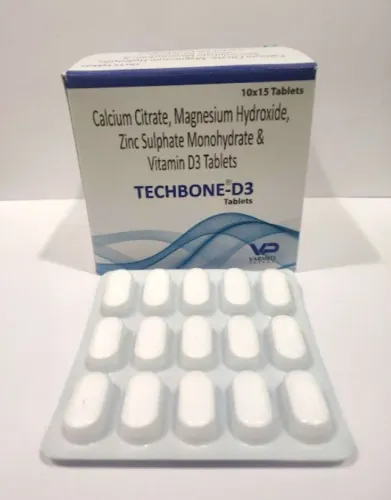
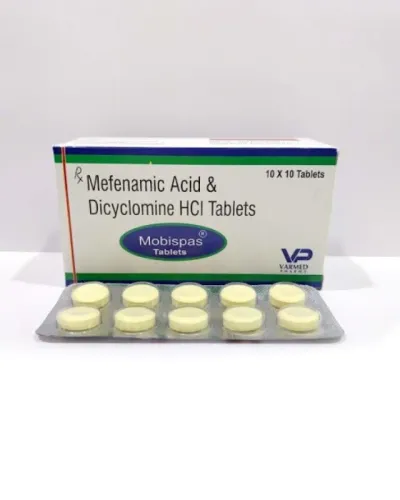
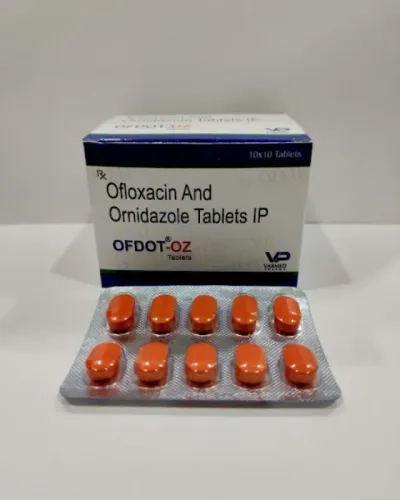
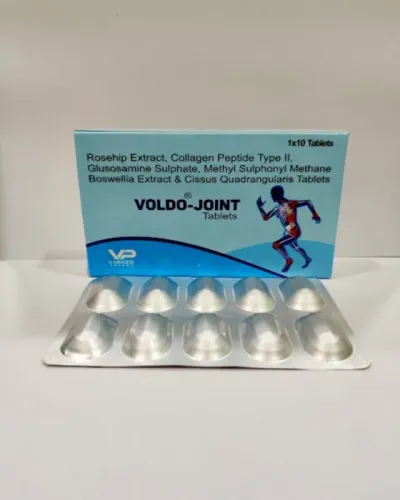
With Varmed Pharma Pvt Ltd, ask whether each product schedule names the brand, generic composition, strength, dosage form and pack size; a brand-only promise can leave a substantially equivalent formulation outside your protection. Also confirm who owns customer data and stock after termination.
Frequently asked questions
What does monopoly basis mean in a PCD pharma franchise?
It means a private contract gives one partner exclusive sales and marketing rights in a named territory; it is not a statutory monopoly.
What should a PCD franchise agreement define?
It should identify the territory, product list, sales channels, exclusivity period and rules for existing customers or dealers.
What can weaken or cancel exclusive territory rights?
Minimum purchases, late payments, unpaid invoices, contract expiry, termination notices and breaches can limit or end exclusivity.
Does a monopoly franchise grant a drug licence or product ownership?
No. It grants contractual distribution rights; licences, manufacturing duties, marketing permissions and product ownership remain separate legal matters.