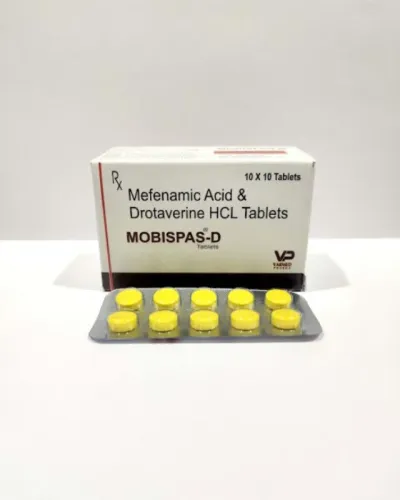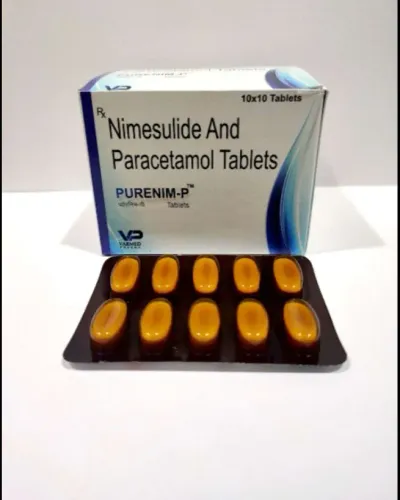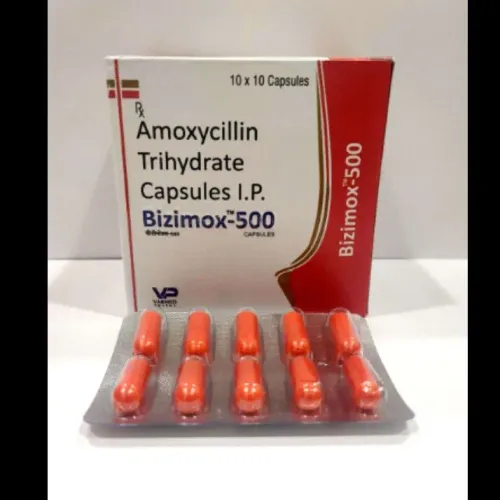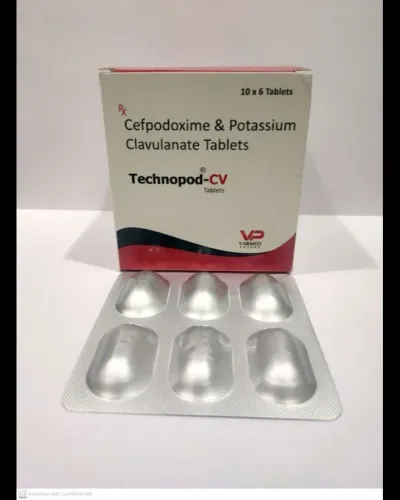
A strong PCD portfolio is not the longest product list. You need to test therapeutic coverage, prescribing frequency, formulation overlap, regulatory status, quality evidence, commercial terms and inventory risk before committing territory capital. By the end, you can score a portfolio, identify gaps and request documents that support a safer launch decision.
Key takeaways
- Balance therapeutic breadth with stable, frequently prescribed treatments.
- Map overlapping products before they compete for the same prescription.
- Ask for licences, product approvals, batch records and quality documents.
- Review sales, stock movement and repeat orders after launch.
What makes a general-medicine PCD portfolio strong?
A strong general medicine portfolio covers durable treatment needs without relying on one crowded category. Judge a PCD franchise portfolio on therapeutic breadth, demand stability, prescribing frequency, product differentiation and operational simplicity.
Map products across these segments:
- Pain and inflammation
- Gastrointestinal therapy
- Anti-infectives
- Cardiovascular care
- Diabetes
- Respiratory treatment
- Dermatology
- Vitamins
- Chronic-care support
Separate short-cycle acute products from chronic products that support repeat prescriptions and refills.
| Type | Commercial role | Main risk |
|---|---|---|
| Acute products | Short treatment cycles for infections, pain or gastric complaints | Irregular repeat demand and expiry exposure |
| Chronic products | Ongoing therapy for diabetes, hypertension or respiratory disease | Slower conversion and stronger competition |
Count distinct molecules and dosage forms, not brand names. Ten brands built around two repeated combinations do not create ten commercial opportunities. Check every item for a clear prescriber, patient profile, strength, dosage form and likely sales channel.
A tablet-heavy range is simple to store, but misses demand for syrups, capsules, injections, creams and paediatric forms.
Score each product from one to five for local demand, competition, prescribing frequency, gross-margin potential, expiry risk and ease of explanation. The strongest result is balanced therapeutic coverage, repeat demand and manageable inventory—not the largest catalogue.
How do you find overlap, gaps and cannibalisation?
Build a comparison sheet with one row per product and columns for active ingredient, strength, fixed-dose combination, dosage form, pack size, indication, prescription status, expected monthly movement and competing brands. Group products by molecule before comparing brand names; different labels can still target the same prescription.
| Product group | Overlap test | Commercial reading |
|---|---|---|
| Aceclofenac plus paracetamol | Two brands share most of the same prescribing space; thiocolchicoside or chlorzoxazone changes positioning | A different combination is not a separate pain franchise |
| Diclofenac combinations | Compare the molecule, added ingredient, strength, dosage form and indication | Retain both only when the clinical or commercial distinction is meaningful |
| Pantoprazole products | Single-ingredient tablet versus pantoprazole-domperidone combination | They complement each other when prescribers separate acid suppression from reflux with nausea or fullness |
| Pantoprazole products | Both promoted to the same patient type | Product cannibalisation is likely |
Apply the same molecule comparison to every cluster. Keep one product only when its indication, prescriber preference, strength, dosage form, pack size or price differs in a commercially meaningful and legally supportable way.
Search for gaps rather than adding more pain products. Ask whether the territory needs chronic-care medicines, respiratory products, anti-infectives, paediatric forms or topical dosage forms. Before adding anything, identify the prescriber, explain the difference from existing products and estimate how many units you can hold before expiry.
A portfolio overlap that looks harmless on paper can trap cash in slow-moving stock.
Which regulatory and quality checks belong in portfolio selection?
PCD is a commercial marketing and distribution arrangement, not a separate drug licence. Before selecting a product, verify the manufacturer’s applicable manufacturing licence, State Licensing Authority or CDSCO permissions, Schedule M GMP compliance and product registration for each new drug or fixed-dose combination.
Familiar ingredients do not prove approval, therapeutic equivalence or suitability for every claimed indication.
Check each item against these dimensions:
| Check | Verify | Why it matters |
|---|---|---|
| Regulatory status | Dosage form, route, permitted indications, pharmaceutical-equivalence and any required bioavailability or bioequivalence evidence | A familiar molecule can still be unacceptable in a new combination |
| Sale category | Schedule H, H1, X or another controlled category | Your wholesale distributor licence must cover the category |
| Label | Generic name, strength, batch number, manufacturing licence details, manufacturing date, expiry date and MRP where applicable | Missing particulars weaken traceability and compliance |
| Quality evidence | Batch-release records, certificates of analysis, stability or expiry support and storage conditions | One certificate does not prove batch consistency or supplier control |
For Schedule H1 products, maintain a Schedule H1 register with the specified purchaser, prescriber and supply particulars, and retain it for three years. Ask how complaints and adverse drug reactions reach the manufacturer, how field alerts operate, and how stock is traced and recalled by batch.
Include complaint history, recall instructions and storage records in your review. Use NPPA ceiling-price rules and DPCO 2013 status when calculating margins. An herbal label is not an AYUSH licence; review disease-cure claims under the Drugs and Magic Remedies Act.
What documents and commercial terms should you demand before signing?
Before signing, request PCD franchise documents, not a catalogue. Demand a dated product list showing generic name, strength, dosage form, pack size, batch shelf life, storage condition, regulatory category and territory availability.
1. Obtain the price list, GST invoice format, manufacturing-licence information, applicable permissions, recent batch test reports, product labels and promotional-material specifications. Ask whether prices include GST and freight, and whether scheduled formulations follow NPPA ceiling prices.
2. Demand a written monopoly agreement defining the territory, listed products, sales channels, duration, renewal, termination, competing-brand restrictions and unsold-stock treatment. “Monopoly” is not a statutory monopoly over a molecule, district or brand; the contract must state what it excludes.
3. Get written answers on minimum order quantity, opening stock, payment schedule, credit terms, margin calculation, freight charges, delivery time, damaged-stock replacement and the expiry replacement policy. Confirm how long stock remains saleable after delivery.
4. Model cash exposure before ordering. Include expected sales, half expected sales and delayed launch, then calculate opening-stock value, months to expiry, reorder point and the loss from slow movement.
| Case | Check | Decision signal |
|---|---|---|
| Expected sales | Opening stock ÷ monthly movement | Reorder before safety stock runs out |
| Half expected sales | Same stock at half movement | Longer cash lock-up and expiry risk |
| Delayed launch | Months without sales | Reject short-dated opening stock |
Compare Varmed Pharma Pvt Ltd with other suppliers on this same spreadsheet; choose on documented terms and inventory risk, not catalogue size.
Related products
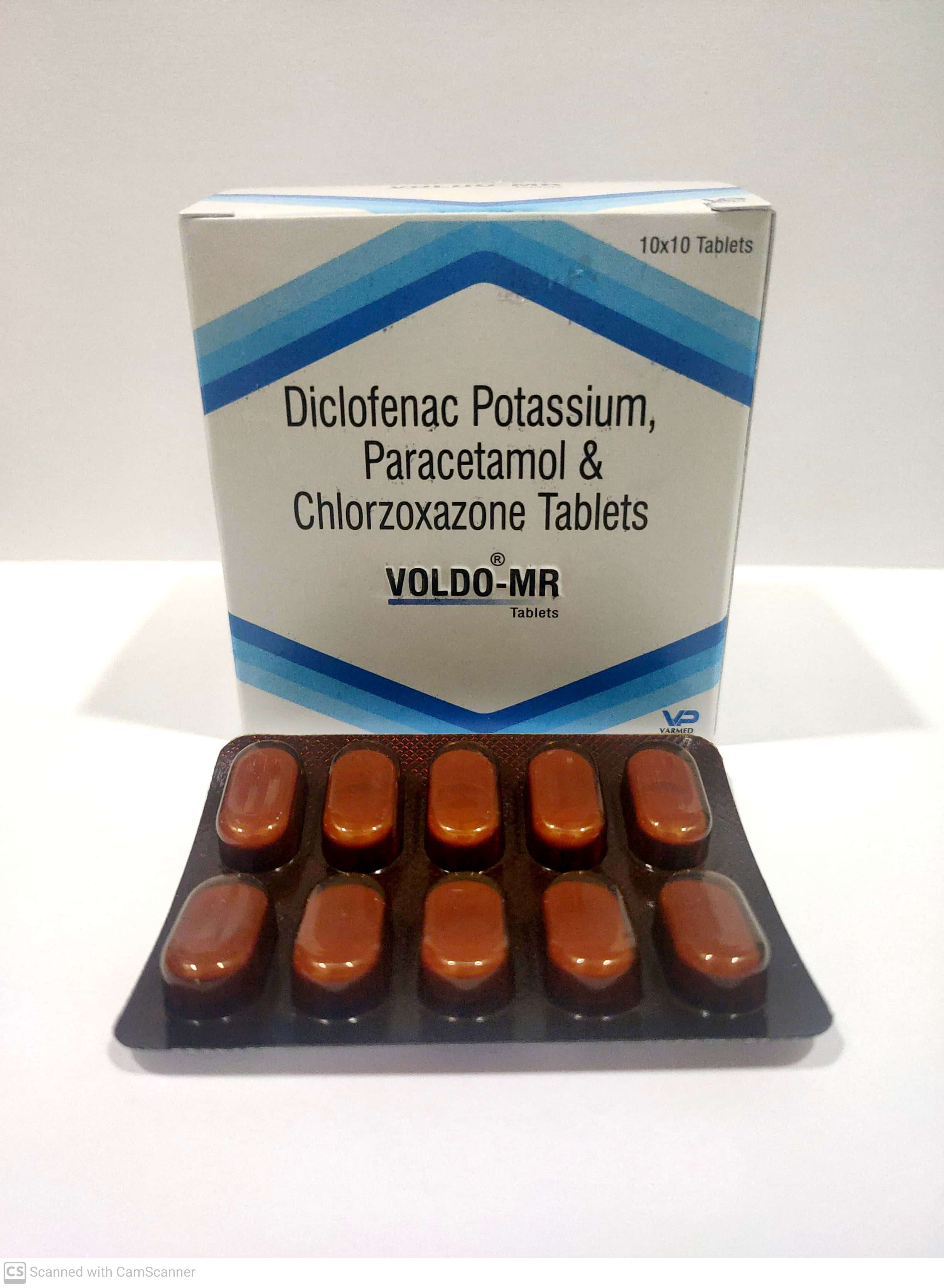 | TABLET Diclofenac Potassium 50 mg + PCM 325 mg + Chlorzoxazone 250 mg ₹900 Voldo-MR Tablet is a reliable combination of Diclofenac, Paracetamol & Chlorzoxazone, designed to provide fast relief from muscle spasms, acute back... View product → |
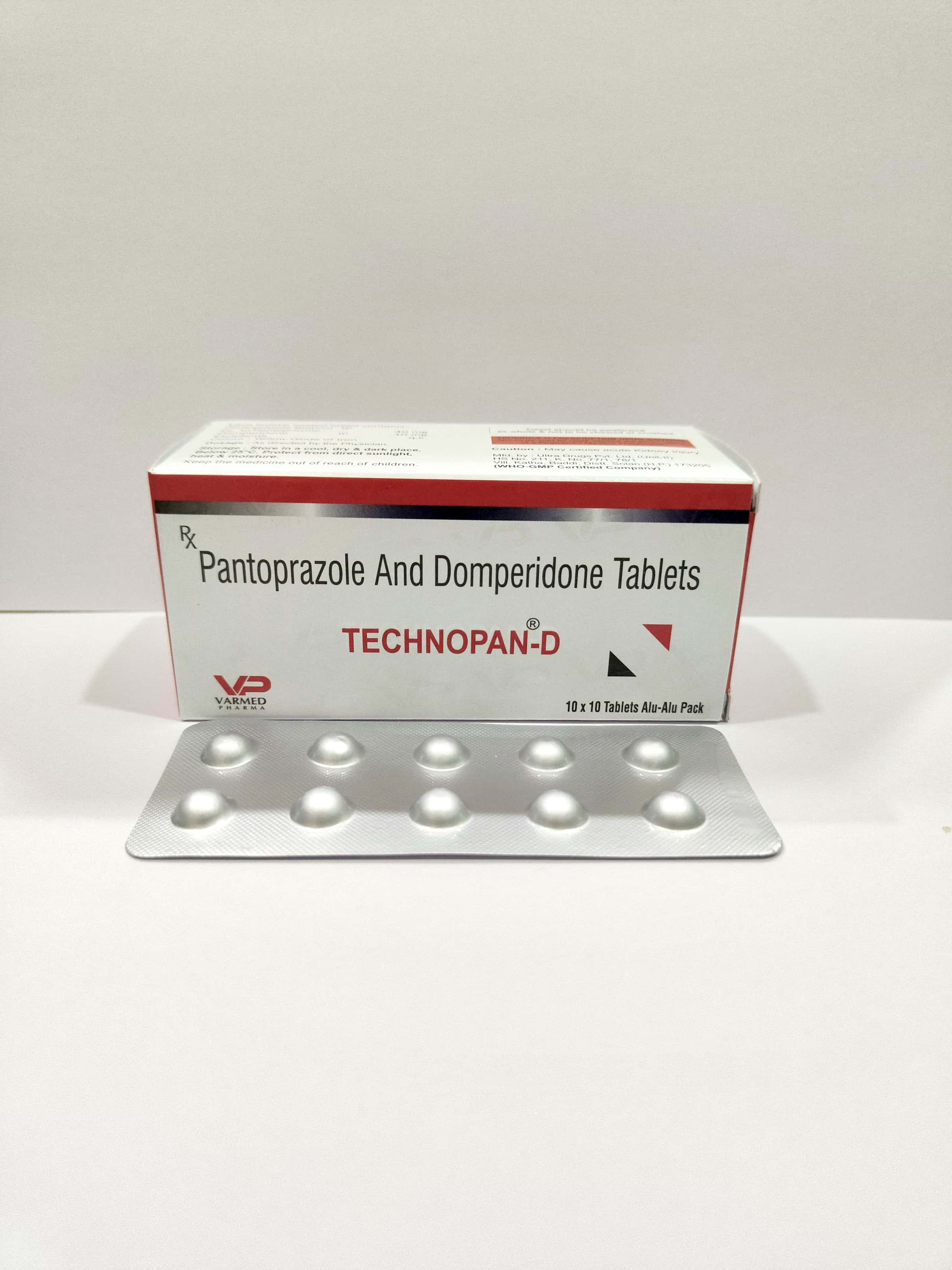 | TABLET Pantoprazole 40 mg + Domperidone 10 mg ₹980 Technopan-D Tablet combines Pantoprazole + Domperidone for powerful relief from severe acidity, GERD, nausea, fullness, bloating, belching, and acid... View product → |
How should you launch and review the selected portfolio?
A disciplined PCD portfolio launch starts with a territory-specific core list, not every available brand. Choose products with identifiable prescribers, repeat demand, distinct positioning and enough remaining shelf life to limit inventory risk.
1. Confirm that your wholesale sale licence covers every category you will handle. Create separate procedures for Schedule H, H1, X and other prescription-controlled products; one retail process cannot safely cover them all.
2. Train field staff to use only approved label claims, stated strength, dosage form and storage instructions. Promotional material must not become an unapproved disease-cure promise.
3. Build batch traceability into daily operations. Record each batch received, invoice, customer, dispatch and complaint so you can locate affected stock quickly during an investigation or recall.
4. Review movement by molecule, prescriber, pack size, expiry window and repeat order, not total revenue alone. Issue a monthly slow-moving-stock report and set an expiry threshold that triggers a reduced reorder or controlled return request.
5. Keep a complaint log containing patient or customer details, product name, batch number, event description, date received and action taken. Escalate suspected adverse drug reactions through the manufacturer’s pharmacovigilance process, and follow recall instructions instead of replacing stock informally.
After 90 days, remove duplicated products that compete without adding demand and redirect funds toward a documented category gap. A strong portfolio stays strong when you measure movement, compliance and service after launch.
Frequently asked questions
What makes a general-medicine PCD portfolio strong?
A strong portfolio combines therapeutic breadth, stable demand, frequent prescribing, clear product differentiation and simple inventory management.
How do you find overlap, gaps and cannibalisation?
Create a product matrix by therapeutic class, active ingredient, strength, dosage form and target patient; then flag products competing for the same prescription.
Which regulatory and quality checks belong in portfolio selection?
Check the manufacturer’s drug licence, product permissions, GMP evidence, batch documentation, labelling, expiry controls and complaint-handling process.
What documents and commercial terms should you demand before signing?
Request licence copies, product lists, price sheets, payment terms, minimum order quantities, territory terms, expiry replacement rules and written supply commitments.
How should you launch and review the selected portfolio?
Launch a focused range, track prescriptions, orders, stock-outs, returns and repeat purchases, then remove weak products and fill proven portfolio gaps.
Related products
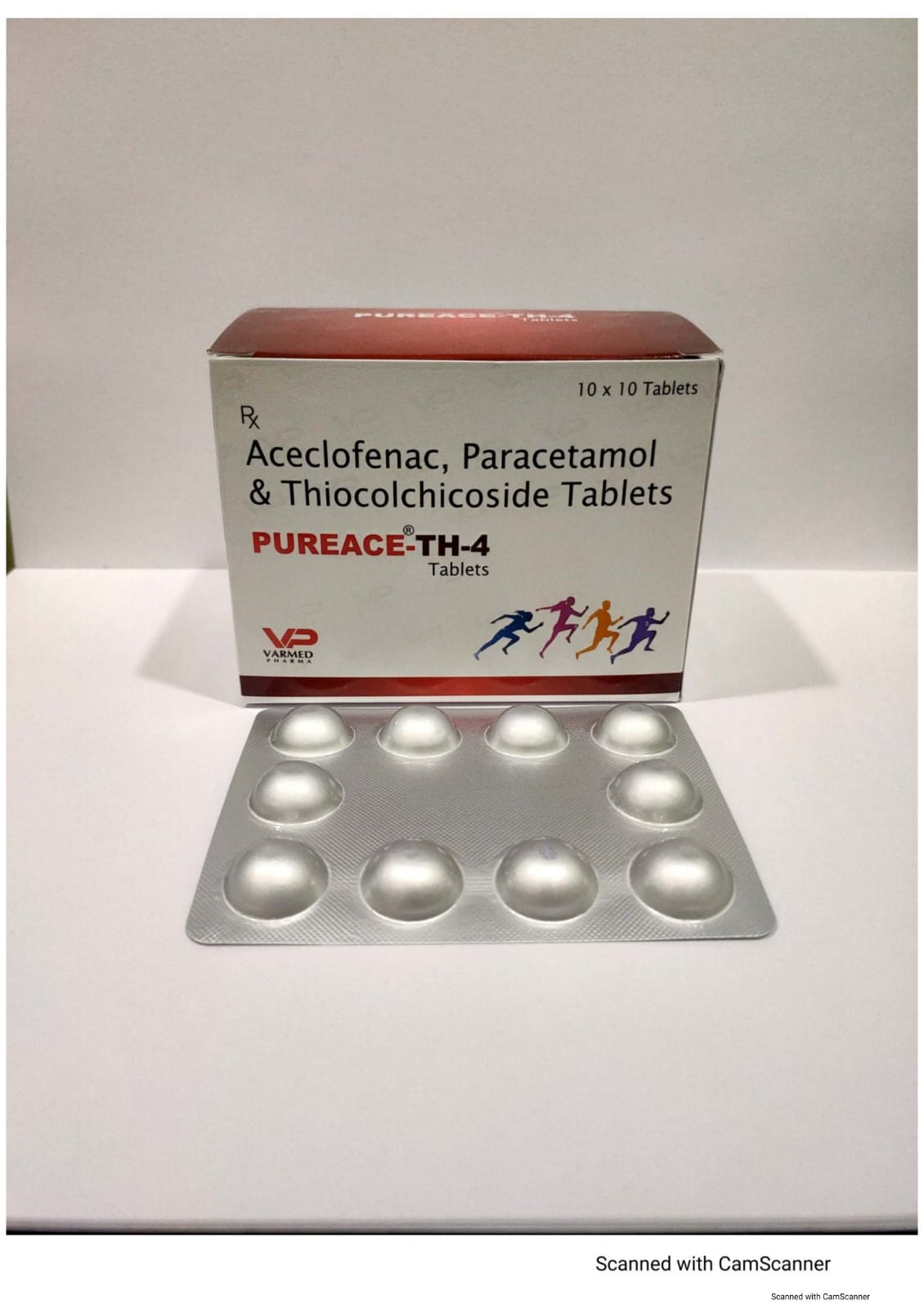 | TABLET Aceclofenac 100 mg + PCM 325 mg + Thiocolchicoside 4 mg ₹400 PUREACE-TH Tablet is a superior pain-relief and muscle-relaxant formulation containing Aceclofenac, Paracetamol & Thiocolchicoside. View product → |
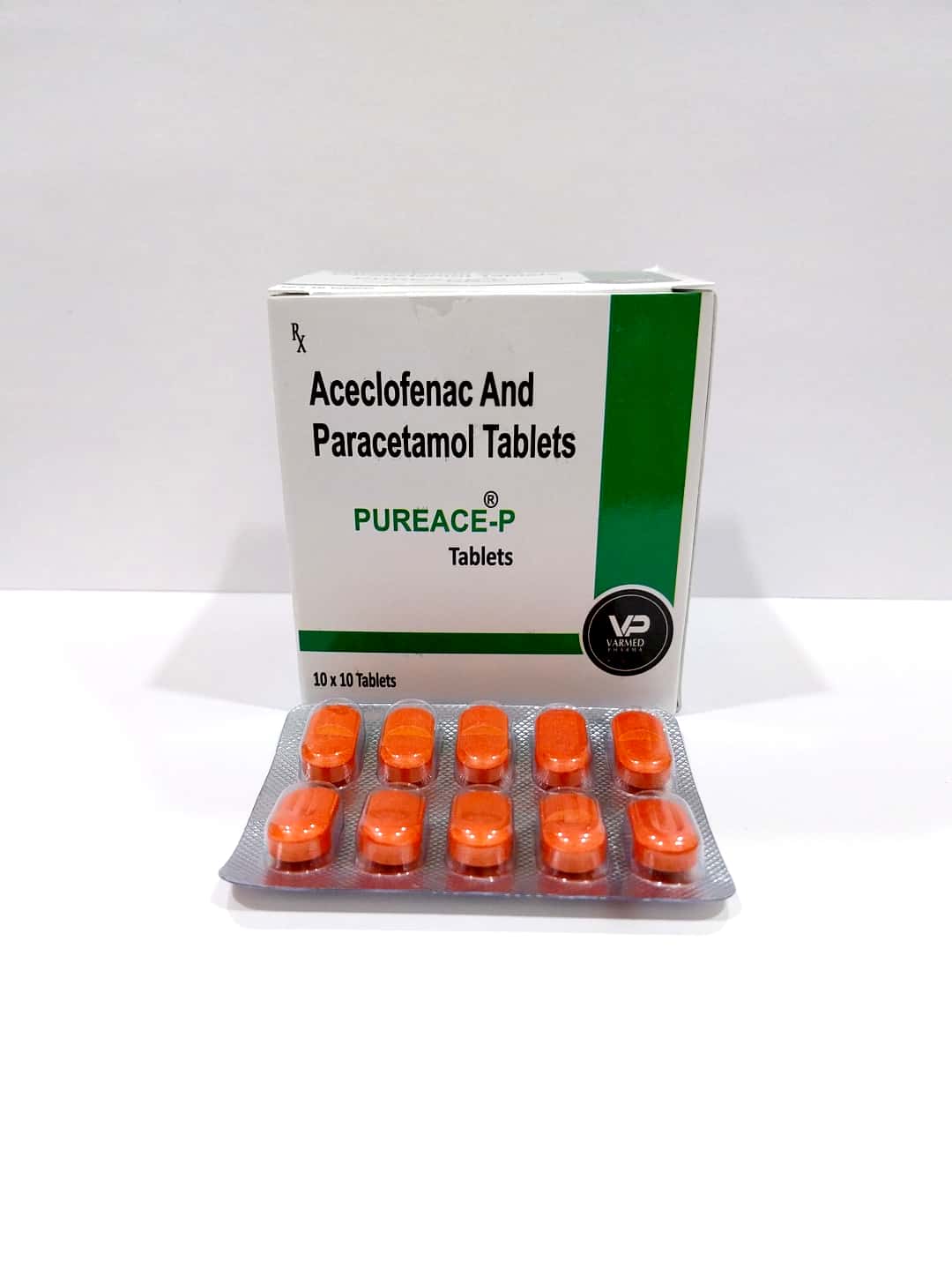 | TABLET Aceclofenac 100 and Paracetamol 325 ₹65 PUREACE-P Tablet offers powerful dual-action relief from pain and inflammation with the proven combination of Aceclofenac and Paracetamol. View product → |
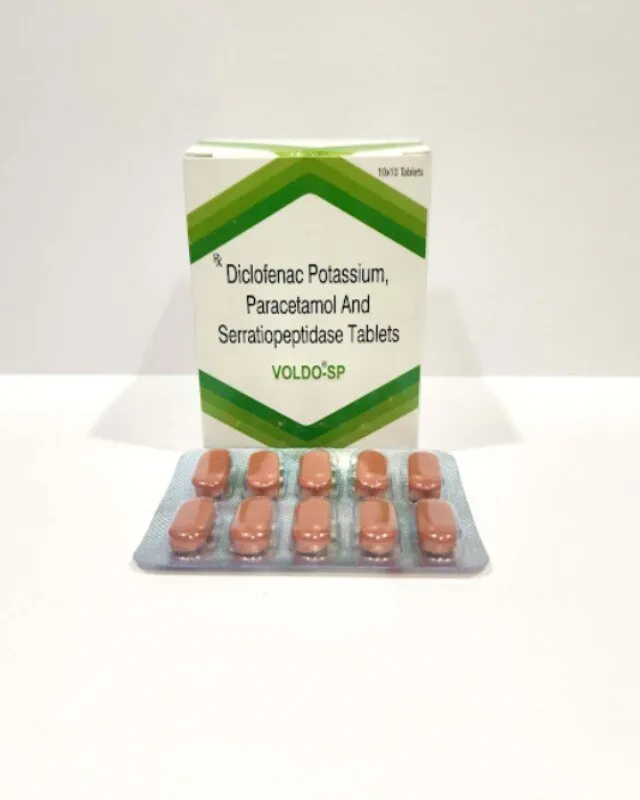
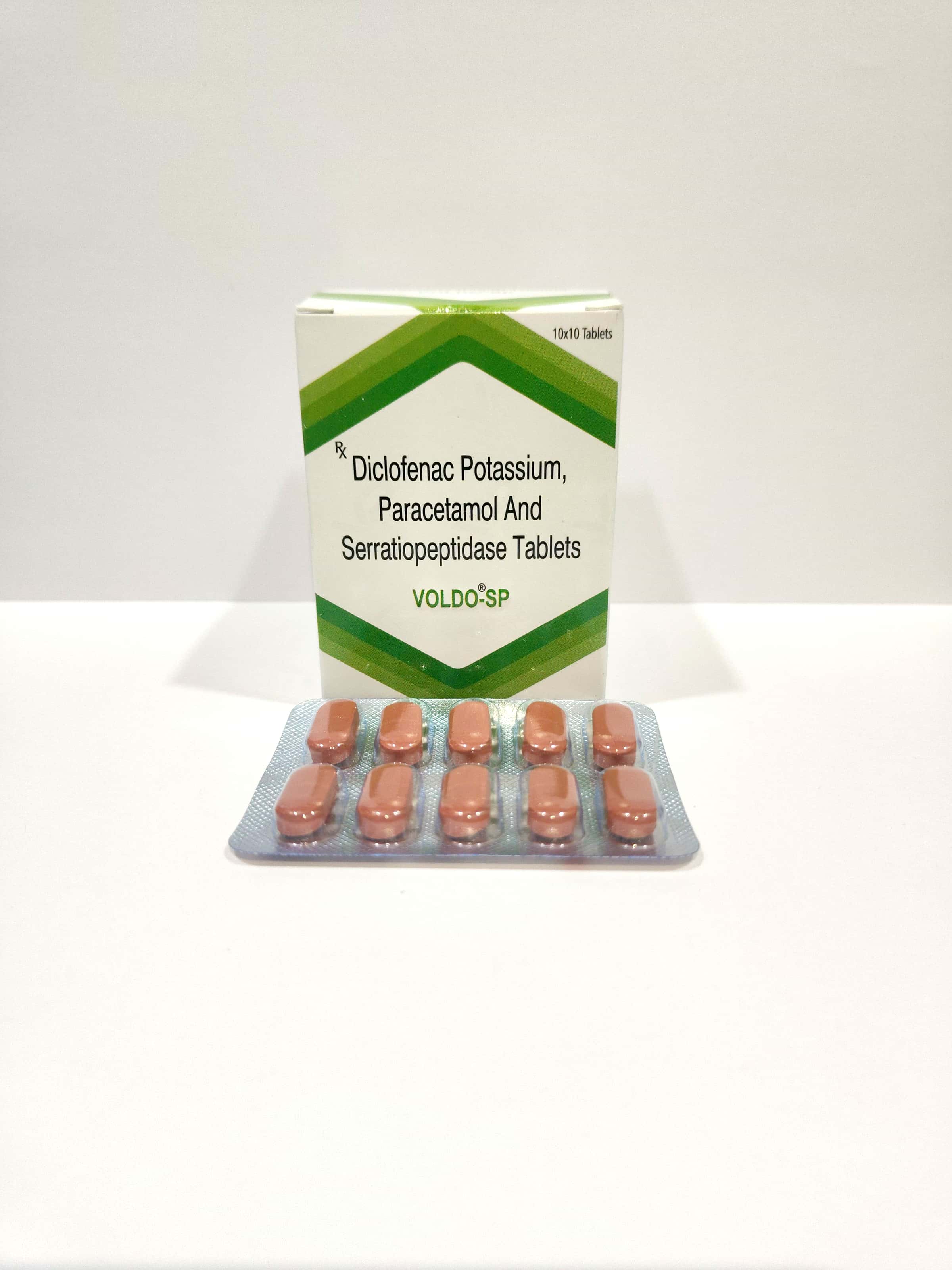 | TABLET Diclofenace Potassium 50 mg+ Paracetamol 325 mg+Serratiopeptidase 15 mg ₹1000 Voldo-SP Tablet combines Diclofenac, Paracetamol & Serratiopeptidase to deliver powerful relief from pain, swelling, and inflammation associated with... View product → |
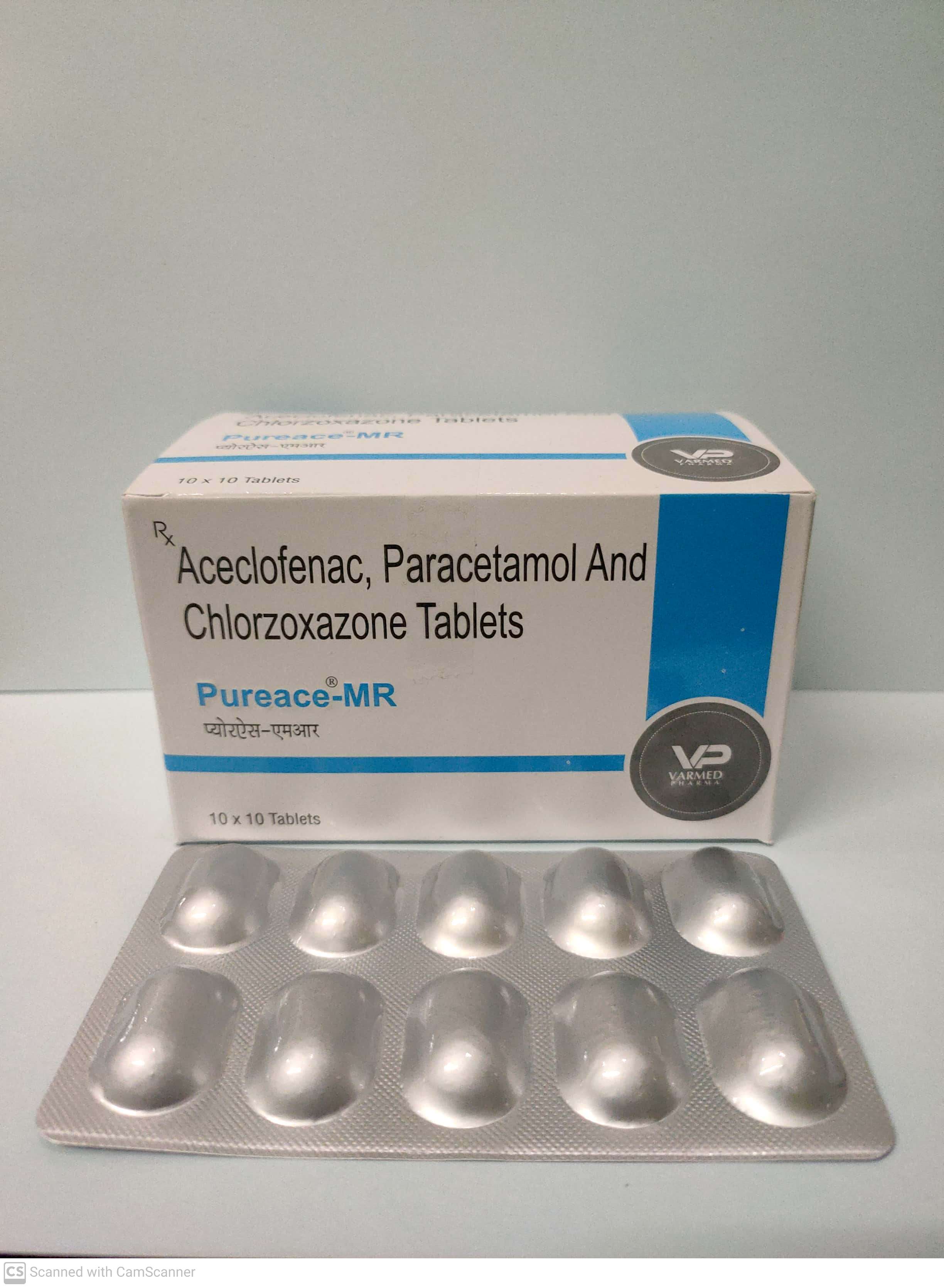 | TABLET Aceclofenace 100 mg + PCM 325 mg + Chlorzoxazone 250 ₹125 PUREACE-MR Tablet is a reliable muscle relaxant and pain-relief formulation that combines Aceclofenac, Paracetamol & Chlorzoxazone. View product → |