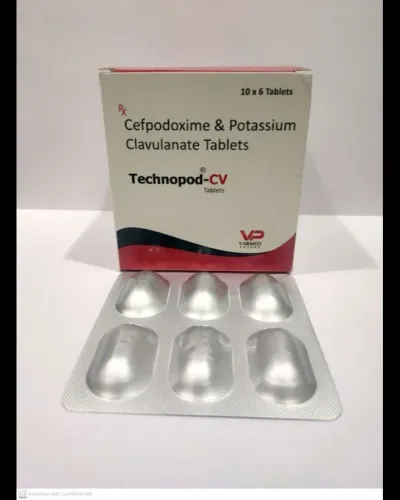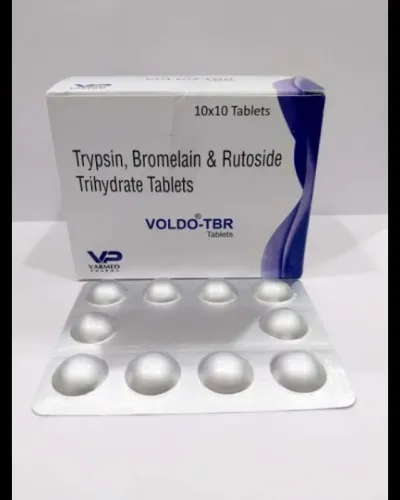
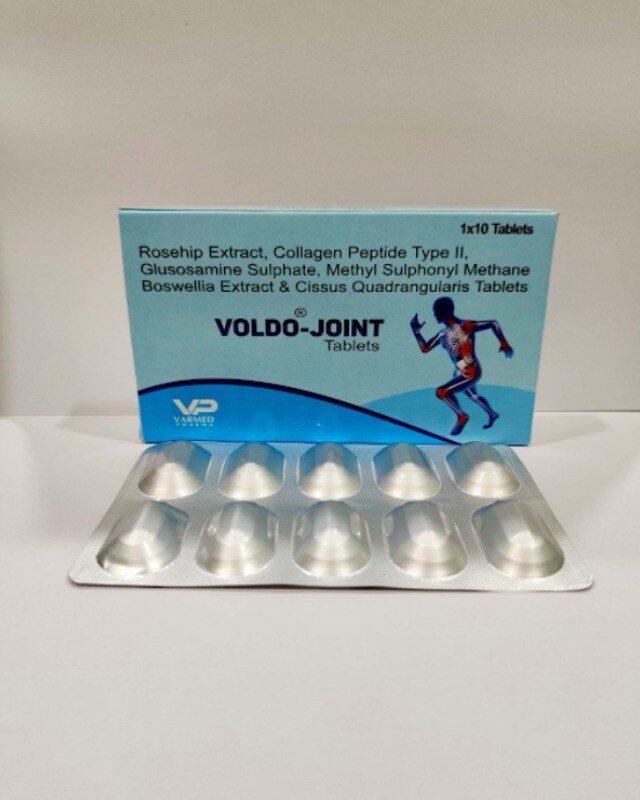
A herbal PCD arrangement is more than a catalogue and a territorial promise: you need to identify the product’s legal category, verify its quality records and define exactly what rights the agreement grants you. By the end, you can compare herbal, Ayurvedic, nutraceutical and conventional products, assess a territory such as Haryana or Chandigarh Tricity, and reject suppliers that cannot document their claims or batches.
Key takeaways
- Confirm the product’s category before checking its licence and labelling rules.
- Ask for licence copies, batch documents, test reports and a written territory agreement.
- Reject claims that promise guaranteed cures, instant results or treatment of serious diseases.
- Test demand, competitor pricing and repeat-purchase potential before selecting products.
What a Herbal PCD Pharma Franchise Actually Includes
A herbal PCD pharma franchise is a private arrangement in which a supplier authorises a partner to market specified herbal products in an agreed territory, usually with promotional material and selected commercial rights.
It is not the same as Ayurvedic PCD, nutraceutical distribution, generic pharma PCD franchise opportunity in India-2026-10-01.html/ src="/images/medicines.png" alt="medicine" width="100%" height="auto" loading="lazy" decoding="async"> company PCD, or ordinary wholesale distribution.
| Model | Core product and role | Main distinction |
|---|---|---|
| Herbal PCD pharma franchise | Herbal products marketed in an allotted territory | Contractual territory and promotion |
| Ayurvedic PCD | Ayurvedic medicines marketed through a partner | Product follows the applicable AYUSH route |
| Nutraceutical distribution | Food or health supplements resold | Distribution follows FSSAI requirements |
| Generic pharma PCD | Generic medicines marketed by a franchise partner | Drug licensing and prescription-market controls |
| Wholesale distribution | Stock bought and resold | Usually no promotional or territorial exclusivity |
The usual arrangement covers territory allocation, promotional support, order placement, supplier invoicing, stock ownership, credit terms and any monopoly right. Confirm each point in writing.
- Name the territory, sales channels, products and pack sizes.
- State the agreement duration, minimum purchases and treatment of existing customers.
- Define breach remedies, credit conditions and who bears expiry losses.
- Specify whether unsold stock can be returned, replaced or remains the partner’s liability.
“Monopoly” in a catalogue proves nothing. Territorial exclusivity is a private contract, not a government-created right, so the signed agreement controls its scope and enforceability.
Which Licence and Rulebook Applies to Each Product
“Herbal” is not an Indian regulatory category. Composition, intended use and claims decide whether a product is an Ayurvedic, Siddha or Unani medicine, an FSSAI health supplement, a cosmetic or another regulated product.
| Category | Applicable route | What distinguishes it |
|---|---|---|
| Ayurvedic, Siddha or Unani medicine | State or Union Territory drug-licensing authority | Medicinal claims and traditional-use requirements apply |
| Food or health supplement | FSSAI rules | Food claims and ingredient limits apply; it is not a drug |
| Cosmetic | Cosmetics rules | Claims must relate to appearance or cleansing, not disease treatment |
| Other regulated product | Category-specific authority | Check the product’s actual use and claims before sale |
Classical Ayurvedic medicines follow recognised authoritative texts. A proprietary Ayurvedic medicine uses a distinct formulation, so assess its formula, evidence file, ingredients and licence separately; “Ayurvedic” does not automatically mean “classical.” An Ayurvedic medicine licence in India comes from the relevant State or Union Territory authority, not from a distributor’s brochure.
Schedule T GMP covers the manufacturing site, sanitation, equipment, raw-material control, production records, quality control and storage. Ask for documentation showing that the stated scope covers the actual site and dosage form.
Check every label for:
- Manufacturer identity and licence details
- Batch number, manufacturing date and expiry date
- Net contents, dosage, storage conditions and category-appropriate ingredients
- Claims permitted for that category
An AYUSH-related licence does not prove clinical efficacy or national government endorsement. It authorises a regulatory route; it is not a Ministry of AYUSH guarantee that the formula works.
How to Read a Herbal Label and Judge Its Claims
Reject a herbal product label that names only “herbal blend” or “natural ingredients.” You need enough detail to identify what you will take and compare it with evidence.
1. Check the declaration. It should give the botanical name, plant part, extract ratio, extraction solvent where relevant, and whether it is a standardised herbal extract. It must also list excipients and the quantity of each active ingredient per tablet, capsule, powder measure or serving.
2. Ask for batch-specific testing, not a catalogue promise. Botanical authentication confirms the source; macroscopic and microscopic examination can reveal substitution or foreign material. Chromatographic fingerprinting compares the extract’s chemical profile, while marker-compound testing measures selected constituents. A marker result does not prove clinical efficacy or make two extracts equivalent.
3. Read contamination results separately. Microbial limits address bacteria, yeast and mould; heavy-metal testing addresses elements such as lead, arsenic, mercury and cadmium; pesticide testing addresses agricultural residues; aflatoxin testing addresses toxins produced by mould. One passing result cannot replace the others.
4. Challenge the claims. “Cures arthritis,” “detoxifies,” “zero side effects” and “guaranteed results” require rejection unless legally permitted and supported by identifiable human evidence for the actual formula, dose and indication. “Natural” and “chemical-free” prove nothing.
The label or accompanying leaflet must state contraindications, medicine interactions, pregnancy or disease warnings, adverse effects and a way to report reactions. If those details are absent, do not treat the product as low-risk.
How to Vet a Supplier Before Signing a Franchise Agreement
Do not sign a pharma franchise agreement until the supplier proves that its documents describe the same manufacturer, site and products you will sell. Use this PCD pharma supplier verification checklist:
1. Ask for the manufacturing licence. Confirm the issuing State or Union Territory drug-licensing authority, licence validity, manufacturing site and dosage-form scope. For Ayurvedic, Siddha or Unani products, check that the licence covers the actual category and facility.
2. Request a batch-specific certificate of analysis. It must show the batch number, test methods, specification limits, actual results, laboratory identity and approval signature. A catalogue or undated report proves little.
3. Review the batch release record, stability data, raw-material identity tests and storage controls. Check manufacturing and expiry dates, storage temperature and whether the laboratory is competent for each claimed test; ISO/IEC 17025 accreditation supports competence but does not guarantee product quality.
4. Match the manufacturer’s legal name and address across the label, licence, certificate of analysis, GST invoice and agreement. Ask who handles complaints, adverse-event reporting, recalls and regulatory communication.
5. Reject “GMP certified” as an answer by itself. Obtain the certificate issuer, covered site, dosage-form scope and validity, including Schedule T controls where applicable.
6. Put ownership of stock, expiry losses, credit terms, replacement rules and recall costs in writing. Define whether the promised monopoly covers your exact territory, sales channels, products and pack sizes.
Before signing with any potential supplier, including Varmed Pharma Pvt Ltd, apply the same evidence standard. Marketing claims do not replace documents.
Related product
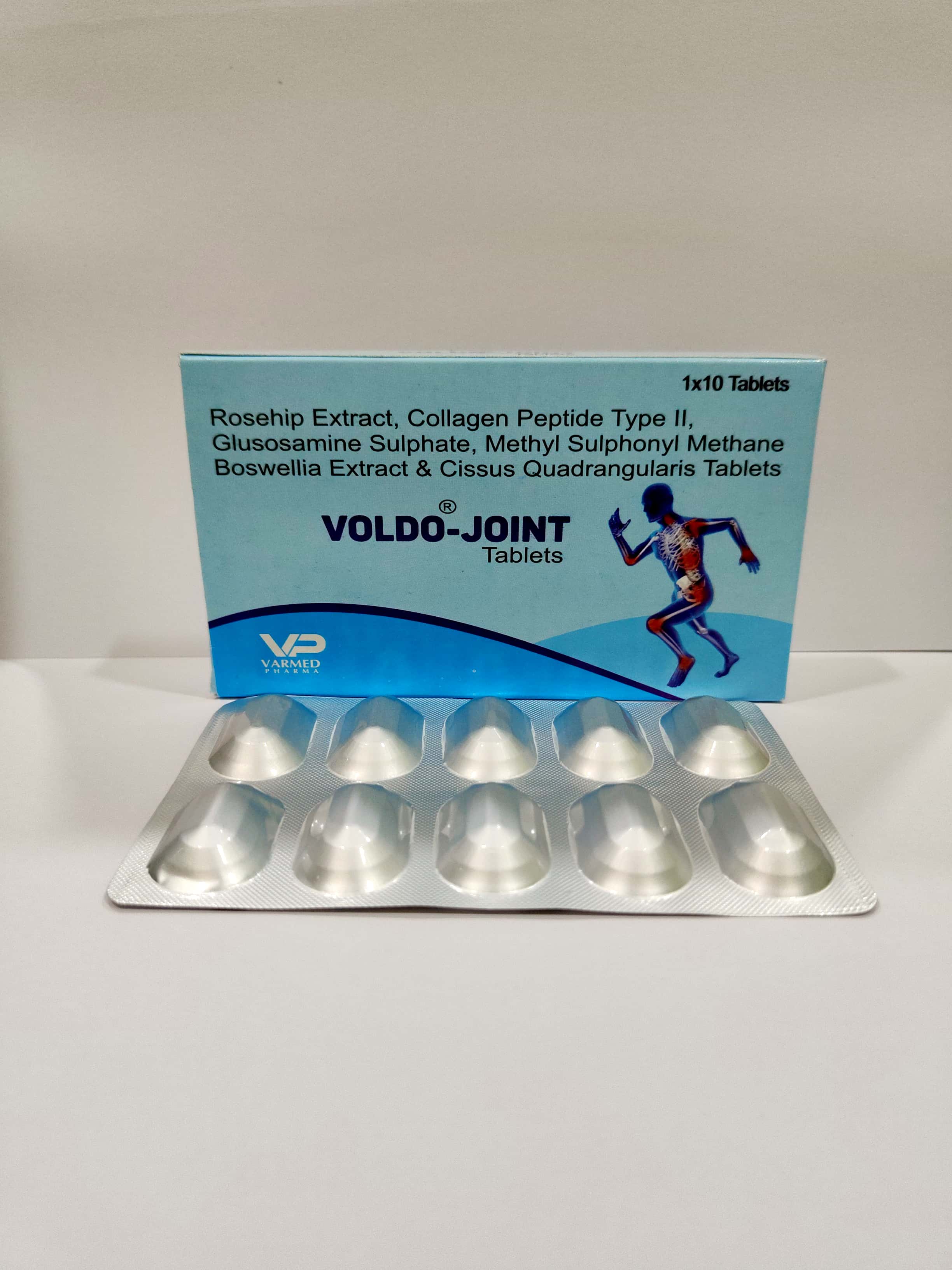 | TABLET Rosehip Extract 100 mg+Collagen Peptide (Type II)40m g +Glusomine Sulphate 500 mg+MSM 200mg+Boswell ₹3100 Voldo-Joint Tablet is a joint-support and pain-relief formulation developed to improve joint lubrication, reduce stiffness, and enhance mobility in... View product → |
How to Test Market Fit and Choose the Right Product Mix
A product mix earns its place through local evidence, not claims about rising demand. Herbal product market research should test one territory at a time: Ambala healthcare market, nearby Haryana pharma distribution routes, or a Chandigarh Tricity pharma franchise.
Interview doctors, pharmacists, retailers and prospective buyers. Ask:
- Which products generate prescriptions or recommendations?
- Do buyers prefer tablets, capsules, syrups, powders, oils or sachets?
- Which competing brands move, at what price, and in which pack size?
- How many units does a retailer sell monthly, and how often do customers reorder?
- Can the intended customer understand the suggested use, contraindications and warnings?
| Herbal products | Evidence and onset | Safety, shelf life and storage | Customer expectation |
|---|---|---|---|
| Ayurvedic medicines | Classical texts or formula-specific human evidence; onset depends on indication | Check interactions, stability and storage on the label | Traditional rationale and measured use |
| Nutraceuticals | Ingredient and dose evidence; benefits may require continued use | Check nutrient limits, expiry and moisture protection | Preventive or supportive benefit |
| Allopathic medicines | Indication-specific clinical evidence; defined onset | Tighter dose, interaction and monitoring expectations | Predictable treatment response |
Reject products that retailers can explain only through illegal cure claims. Compare the gross margin with minimum order quantity, expiry exposure, storage space and replacement terms.
Start with a small territory-specific order. Track enquiries, first purchases, repeat orders, stock ageing, expiry losses and complaints for each pack. Expand only when repeat demand and safe, compliant selling support the mix.
Frequently asked questions
What does a herbal PCD pharma franchise include?
It usually covers selected herbal products, an agreed sales territory, promotional materials, commercial terms and the rights defined in the written franchise agreement.
Which licence applies to a herbal product?
The applicable rulebook depends on whether the product is an Ayurvedic or other AYUSH medicine, a food or nutraceutical, or another regulated category. Match the product classification to the licence shown on its documents.
How can you check whether a herbal label makes acceptable claims?
Read the ingredient list, dosage, batch number, manufacturing and expiry dates, licence details, warnings and claim wording. Treat guaranteed cures and disease-treatment promises as warning signs.
What should you verify before signing with a herbal PCD supplier?
Request the supplier’s licence copies, product specifications, certificates of analysis or test reports, sample packs, complaint procedures, minimum order terms and a signed territory agreement.
How do you choose a herbal product mix for a territory?
Compare local demand, competing brands, price points, prescriber or retailer access, customer repeat-purchase potential, storage requirements and the effort needed to explain each product.