A mixed PCD portfolio is useful only when its products match the territory, legal classification, prescribing habits and cash cycle. By mapping customer demand, comparing operating requirements and checking supplier documents, you can decide whether to carry both categories and assemble a starter range without trapping capital in duplicates.
Key takeaways
- Separate allopathic, ASU, supplement and cosmetic products by regulatory category.
- Compare composition, claims, dosage forms and demand before adding products.
- Ask for licence copies, batch records, test reports and product approvals.
- Start with focused products and track repeat orders before expanding territory coverage.
What belongs in a genuinely diverse PCD portfolio?
A diverse PCD portfolio combines clearly classified allopathic medicines with Ayurvedic, Siddha or Unani (ASU) medicines, food supplements, nutraceuticals or cosmetics only when the licence and permitted claims support each category. “Herbal” alone proves nothing; composition, presentation and claims determine the regulatory route.
Map the range across these dimensions:
| Portfolio area | Typical customer segments | Commercial use |
|---|---|---|
| Allopathic medicines | Doctors and clinics, retail pharmacies, hospitals | Prescription treatment and repeat chronic use |
| Herbal or ASU medicines | Wellness practitioners, pharmacies, family consumers | Practitioner-led or wellness purchases |
| Food supplements and nutraceuticals | Gyms, family consumers, institutional buyers | Nutrition and self-care, without unrestricted disease claims |
| Cosmetics and topical products | Retail pharmacies, wellness outlets, family consumers | Skin and personal-care demand |
Then map dosage forms: tablets, capsules, syrups, suspensions, oral liquids, topical gels, creams, powders, oils, drops and sachets. A modified-release tablet, gastro-resistant product and fixed-dose combination need separate demand checks; the same ingredient does not make every form interchangeable.
Reject an unidentified “herbal range.” Request each product’s name, ingredient quantities, dosage form, intended indication, licence category, permitted claims, evidence standard and labelled storage condition.
Interview 15 to 20 pharmacies and prescribers, review six months of local sales or prescription data, and separate demand into prescription treatment, pharmacist-led self-care, wellness purchases and repeat chronic use. Choose both portfolios when the same outlets serve distinct customer segments and reorder patterns.
Choose one first when qualified prescribers, pharmacy coverage, or separate compliance and inventory systems are lacking.
How do herbal and allopathic categories differ commercially?
Prescription allopathic lines depend on doctor recommendation, pharmacist dispensing and prescription controls; herbal lines rely more on consumer demand, practitioner confidence and retail explanation. Their commercial patterns are not interchangeable.
| Category | Commercial advantage | Commercial risk |
|---|---|---|
| Prescription allopathic tablets and capsules | Predictable repeat purchase potential for chronic therapies | Trained field selling, pharmacy credit and tighter expiry management |
| Acute allopathic products | Fast movement when local treatment demand is strong | Overlapping strengths and fixed-dose combinations create dead stock |
| Herbal or ASU medicines | Sales through wellness shops, practitioners and pharmacies with less prescription dependence | Repeat purchase depends on taste, perceived results, dosage convenience and claim credibility |
| Food supplements and nutraceuticals | Wellness-led retail opportunities | Require a separate FSSAI compliance review; disease-treatment language is not unrestricted |
Check storage needs product by product. Follow the labelled temperature and humidity range, light protection, container-closure requirement and documented transport time; ordinary room-temperature warehousing can damage stability.
Compare gross margin after discounts, samples, freight, expiry returns and promotional costs, not catalogue margin alone. Prescription lines tie up working capital in doctor visits and pharmacy credit, while wellness lines tie it up in education, displays and slower consumer conversion.
Before ordering, ask for these figures for every category:
- Minimum order quantity and batch size
- Shelf life remaining at dispatch
- Replenishment lead time
- Storage and transport instructions
A high catalogue margin is weak evidence if slow conversion, short dating or a large minimum order leaves cash locked in unsold stock.
How should you build a starter portfolio and manage the PCD model?
Build a starter portfolio with one or two high-demand products for each therapeutic or wellness need, not every available strength. Add a dosage form or strength only after local prescription, pharmacy or reorder evidence supports it.
Avoid several pain combinations containing the same analgesic, multiple antihistamine brands, and both fast- and slow-moving strengths until reorder data justifies the working capital. Set a stock ceiling from expected monthly sales, minimum order quantity, remaining shelf life and replenishment lead time.
| Compare before signing | Put in writing |
|---|---|
| Territory | Named area and what “monopoly” covers |
| Commercial commitment | Duration, minimum purchase obligation and payment terms |
| Competition | Competing products excluded, if any |
| Returns | Damaged-stock handling and expiry replacement |
| Exit | Termination and post-termination stock treatment |
“Monopoly” usually means a private territorial or channel arrangement, not statutory exclusivity. It does not stop another licence holder selling the same active ingredient or a competing brand unless the contract creates an enforceable restriction.
Confirm whether the manufacturer or marketer invoices you, which GST details appear on the invoice, who dispatches the goods and how you report transport damage. These details affect reconciliation and complaint traceability.
Require a sales-literature pack stating composition, indications, dosage, warnings, storage conditions and prescription status. Promotional support must specify quantities and delivery timing for visual aids, samples, and doctor or retailer materials; verbal promises do not plan stock replenishment.
Which licences and quality records should you verify before purchase?
Treat the catalogue as a sales list, not proof of authorization. Verify the distributor’s applicable wholesale licence, commonly Form 20-B and/or Form 21-B under the Drugs and Cosmetics Rules. Schedule X products require separate licensing and stricter prescription and record controls.
| Document | What it proves | What to verify |
|---|---|---|
| Wholesale licence | Legal authority to distribute | Correct licence form, premises and product category |
| Manufacturing licence | Legal authority to manufacture | Issuing authority, validity, site and dosage forms |
| Product permissions | Approval for each product | Product name, strength, composition and dosage form |
| Batch-testing file | Release and testing trail | In-house or contract laboratory, batch number and release sign-off |
| Loan-licence declaration | Manufacturing arrangement | Whether production uses the manufacturer’s licence or a loan-licence arrangement |
Confirm the legal manufacturer’s identity; a PCD marketer may be a different entity. GST registration and a trademark certificate do not replace a drug-manufacturing licence.
For allopathic products, request evidence of Schedule M GMP covering premises, sanitation, documentation, production and quality control. For Ayurvedic, Siddha or Unani products, verify the State or Union Territory ASU licence and Schedule T GMP evidence. Classify supplements under FSSAI rules and reject disease-treatment claims without supporting substantiation.
For every batch, request a certificate of analysis and batch record or release summary. Check the tests applicable to the dosage form:
- Assay, identity, impurities and dissolution
- Microbial limits, preservative content and uniformity
- Stability data, including shelf-life support
Check labels for composition, batch number, manufacturing date, expiry, licence details, storage instructions, warnings and the prescription symbol.
How can you connect supplier choice with safe, repeatable territory growth?
A supplier review meeting is your test of whether the portfolio can operate safely after the first order, not merely whether the catalogue looks broad.
1. Ask Varmed Pharma Pvt Ltd, or any shortlisted supplier, for each product’s licence trail, herbal or ASU classification, batch-release documents, stability support, dispatch controls and written monopoly terms for your proposed territory.
2. Confirm who receives adverse-event and quality complaints. Your record must capture the product name, batch number, expiry, dose, patient event and reporter details before escalation through the manufacturer’s system or India’s Pharmacovigilance Programme. Replacing a complaint informally destroys traceability.
3. Train staff to distinguish Schedule H, Schedule H1 and Schedule X medicines. Schedule H1 sales require additional records; describing a medicine as generic, herbal or “professional use” does not remove prescription controls.
4. Make promotional compliance part of approval. Review brochures, WhatsApp messages and visual aids under the Drugs and Magic Remedies (Objectionable Advertisements) Act, especially claims to treat or prevent restricted diseases.
5. Review each SKU monthly using sales, gross contribution after expiry and freight, days of inventory, reorder interval, complaints and returns. Drop a product that misses its reorder threshold for three review cycles.
6. Add products only when evidence supports the category, claims, storage conditions and cash requirement. This keeps territory growth repeatable instead of turning weak demand, unsupported claims and expiry losses into permanent stock.
Related products
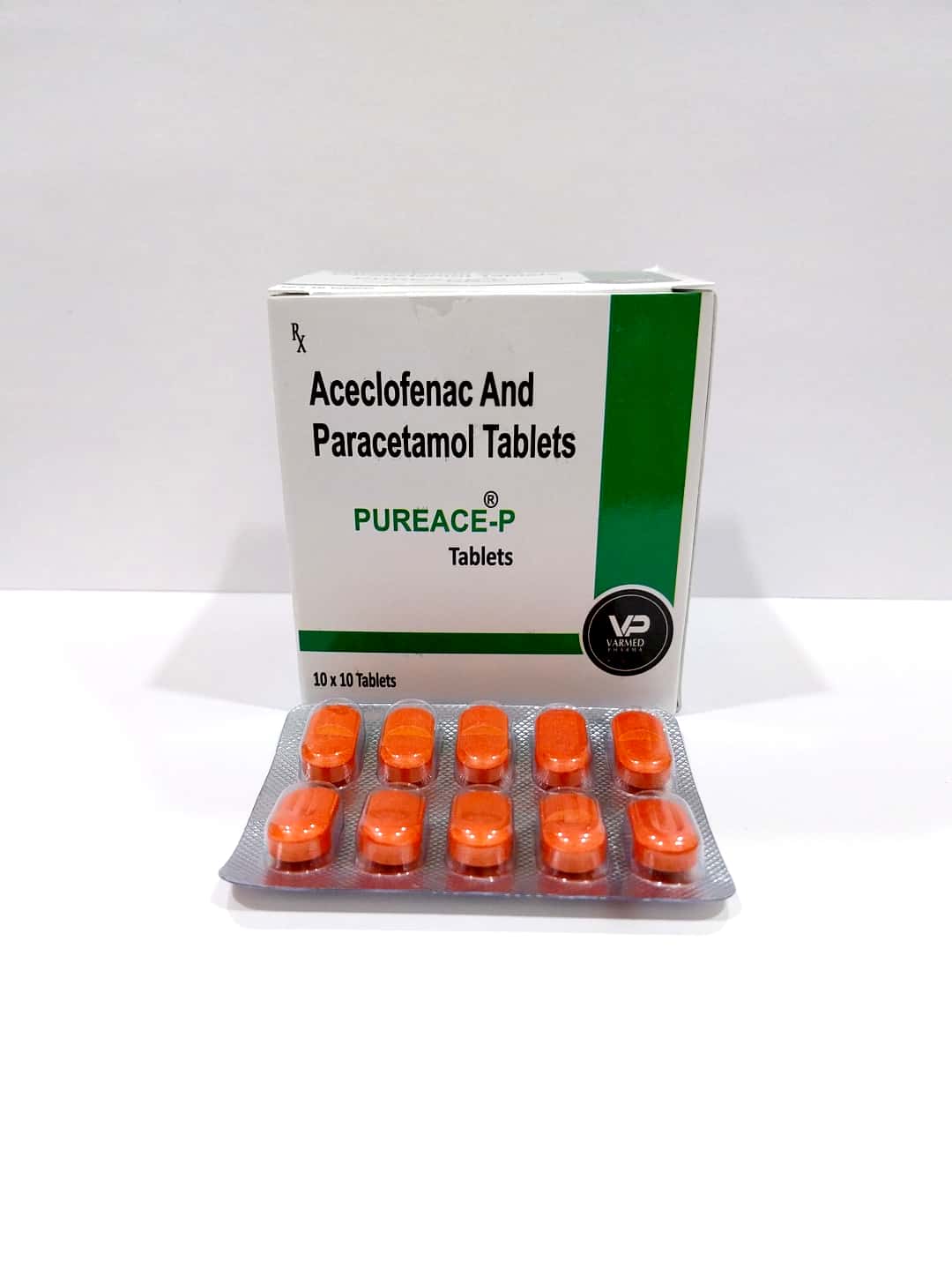 | TABLET Aceclofenac 100 and Paracetamol 325 ₹65 PUREACE-P Tablet offers powerful dual-action relief from pain and inflammation with the proven combination of Aceclofenac and Paracetamol. View product → |
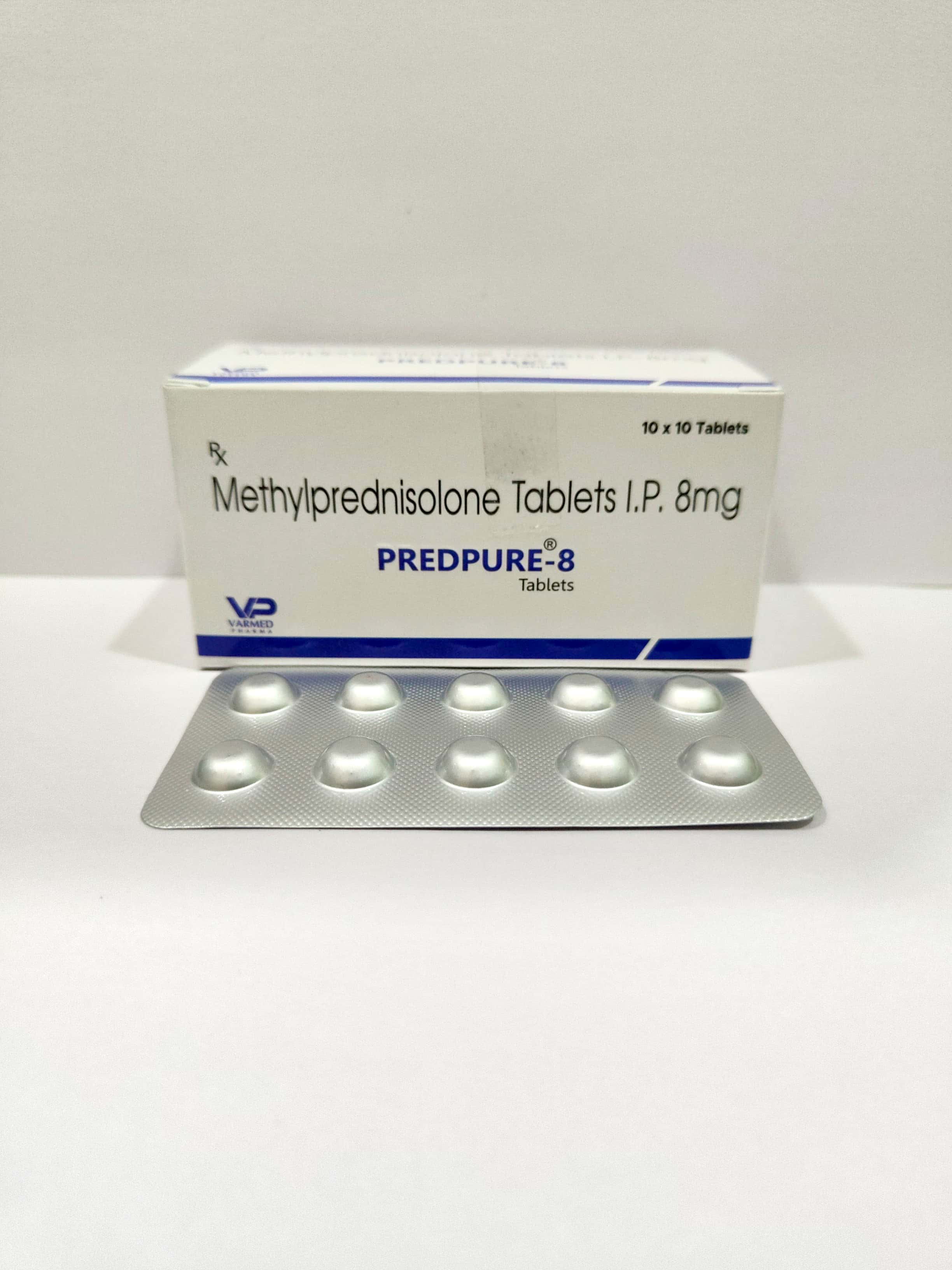 | TABLET ₹120 PREDPURE-8 Tablet Composition: Methylprednisolone 8 mg PREDPURE-8 Tablet provides strong anti-inflammatory and immunosuppressive action for moderate... View product → |
Frequently asked questions
What belongs in a genuinely diverse PCD portfolio?
Include clearly classified allopathic medicines, ASU medicines, food supplements, nutraceuticals or cosmetics only when the supplier holds the correct licence and uses permitted claims.
How do herbal and allopathic PCD categories differ commercially?
Allopathic products require medicine-focused promotion and documentation, while herbal and ASU products depend on their legal category, approved composition, claims and customer expectations.
How should you build a starter portfolio under the PCD model?
Begin with a focused group matched to local prescribing and retail demand, then add products after reviewing sales, repeat orders, stock movement and territory coverage.
Which licences and quality records should you verify before purchase?
Request the applicable manufacturing or marketing licence, product permissions, batch number, certificate of analysis, test reports, label artwork and storage requirements.
How can supplier choice support safe, repeatable territory growth?
Choose a supplier with consistent batches, traceable records, reliable replenishment, compliant promotional material and clear territory terms.
Related products
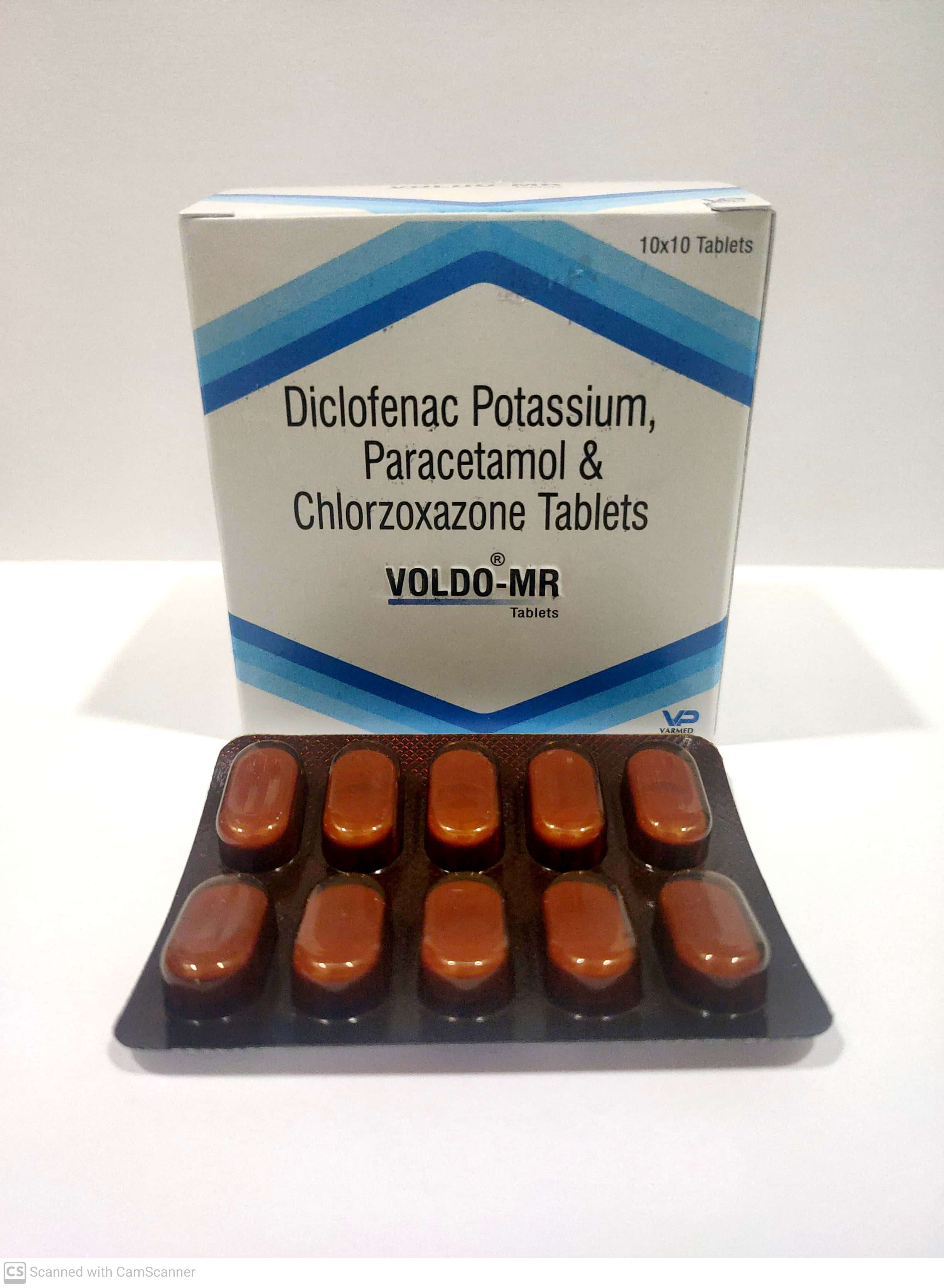 | TABLET Diclofenac Potassium 50 mg + PCM 325 mg + Chlorzoxazone 250 mg ₹900 Voldo-MR Tablet is a reliable combination of Diclofenac, Paracetamol & Chlorzoxazone, designed to provide fast relief from muscle spasms, acute back... View product → |
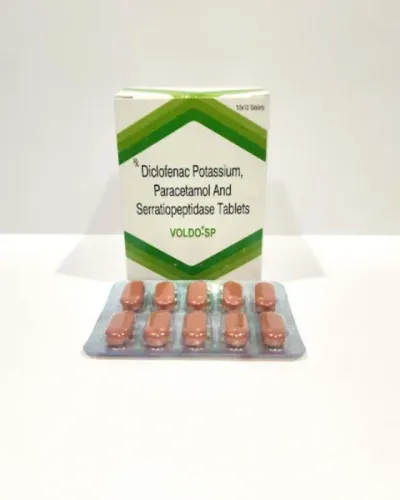
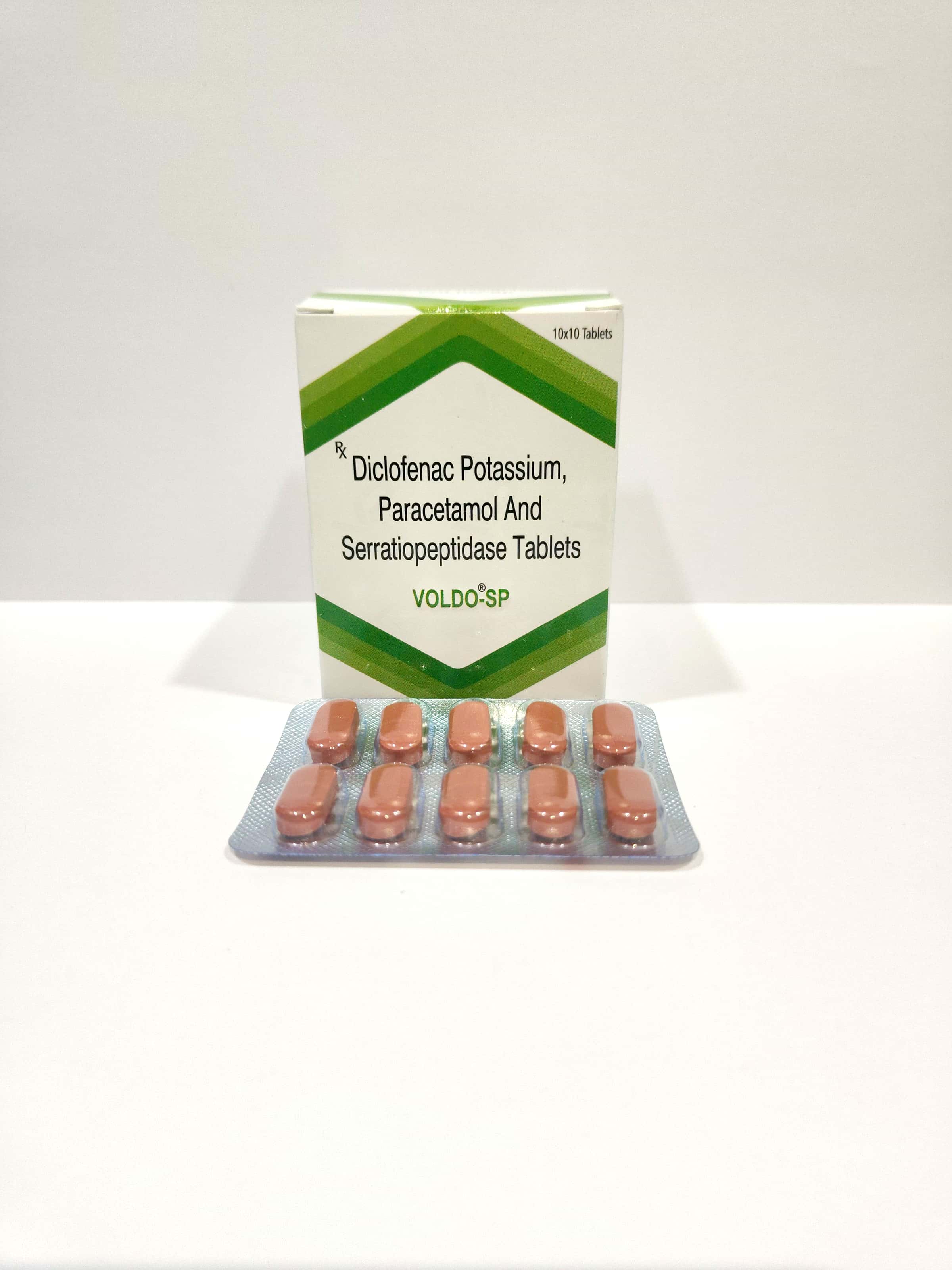 | TABLET Diclofenace Potassium 50 mg+ Paracetamol 325 mg+Serratiopeptidase 15 mg ₹1000 Voldo-SP Tablet combines Diclofenac, Paracetamol & Serratiopeptidase to deliver powerful relief from pain, swelling, and inflammation associated with... View product → |
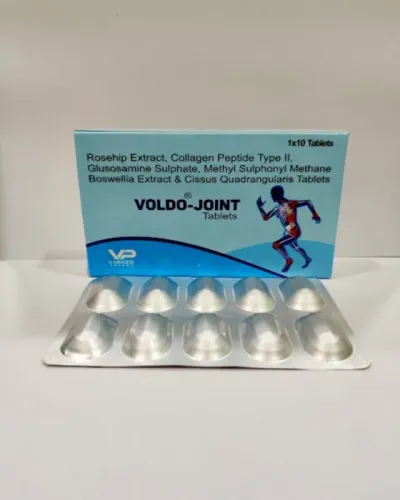
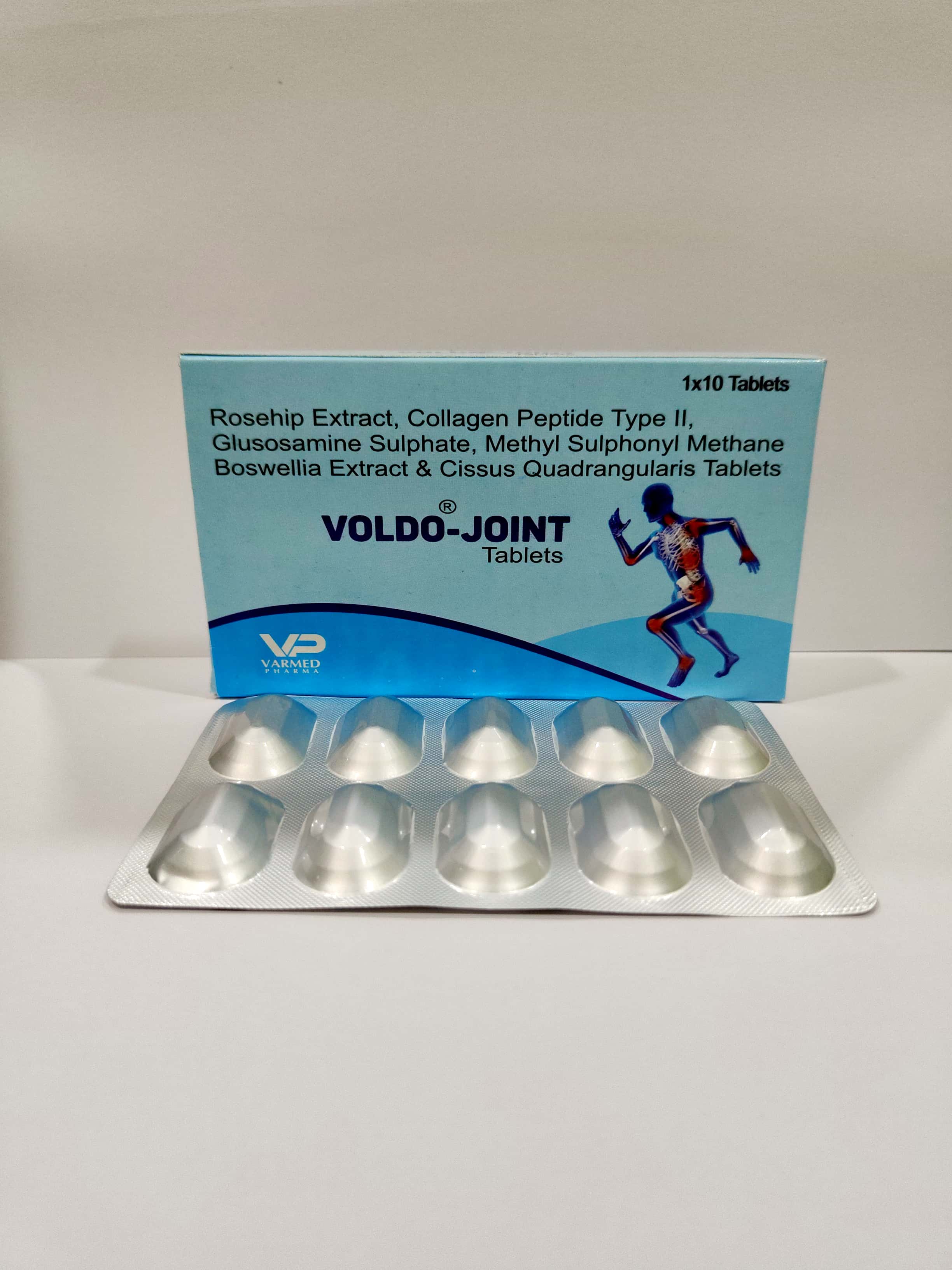 | TABLET Rosehip Extract 100 mg+Collagen Peptide (Type II)40m g +Glusomine Sulphate 500 mg+MSM 200mg+Boswell ₹3100 Voldo-Joint Tablet is a joint-support and pain-relief formulation developed to improve joint lubrication, reduce stiffness, and enhance mobility in... View product → |
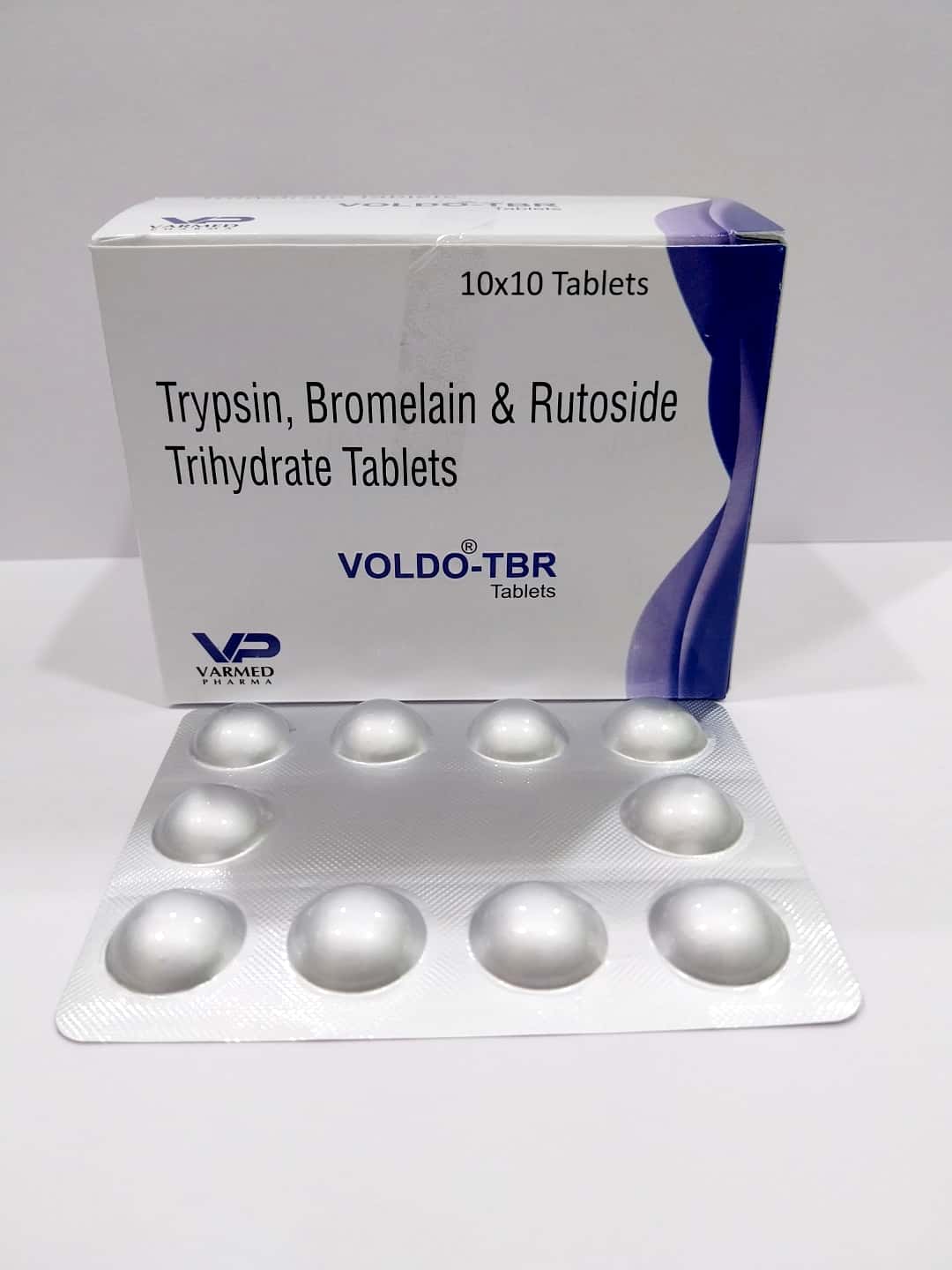 | VOLDO-TBR TRYPSIN 48 MG + BROMELAINE 100 MG+ RUTOSIDE 90 MG ₹2800 Voldo-TBR Tablet is a specialized pain-relief formulation designed to manage severe inflammatory pain, post-traumatic pain, and orthopedic... View product → |