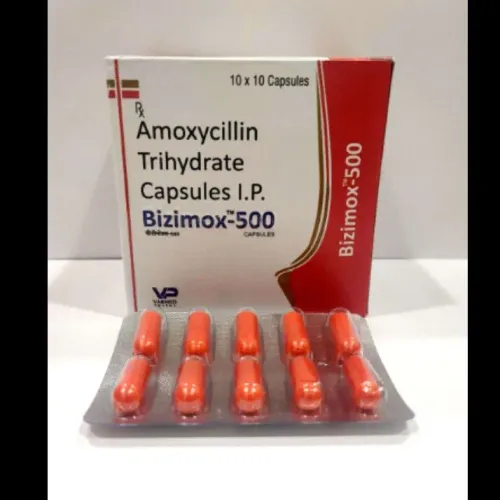
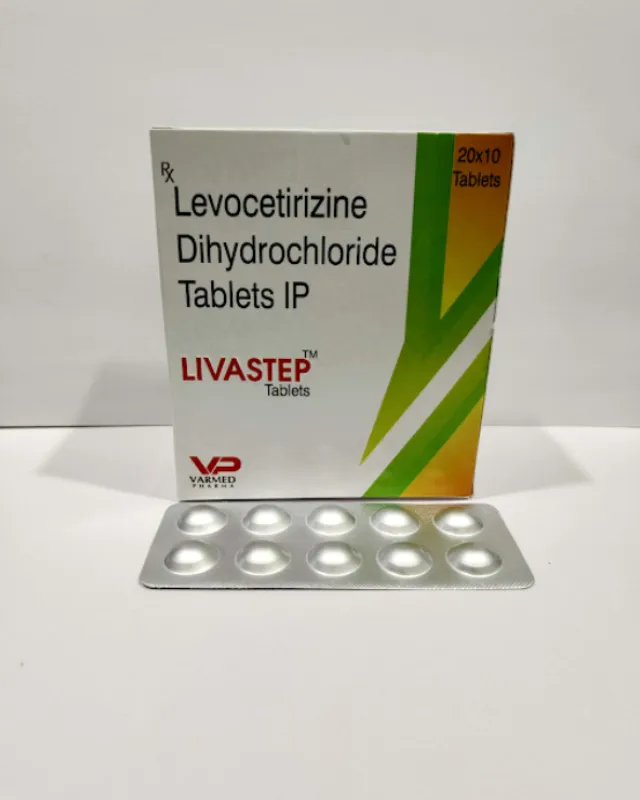
Entrepreneurs exploring pharmaceutical distribution frequently come across the term Monopoly Pharma Franchise in Haryana. While the concept is widely discussed, many first-time investors are unsure how monopoly rights actually work and whether they provide meaningful business advantages.
Understanding the fundamentals can help prospective franchise partners make informed business decisions before committing their investment.
What Does Monopoly Mean in a Pharma Franchise?
In pharmaceutical franchising, monopoly generally refers to a company granting exclusive marketing or distribution rights for a defined geographical area.
The objective is to minimise competition between franchise partners representing the same pharmaceutical company within that territory.
The exact terms vary between organisations, making it important to understand the agreement before proceeding.
Why Many Entrepreneurs Prefer Monopoly-Based Models
Exclusive territories may allow franchise partners to focus on business development without competing against another distributor selling the same company's products in the same region.
Potential advantages include:
- Better customer relationship development
- Reduced internal competition
- Improved market planning
- Stronger territory management
- Greater confidence while investing in local marketing
Business performance still depends on market demand, service quality, and consistent customer engagement.
Factors That Influence Success
Receiving monopoly rights alone does not guarantee business growth.
Successful distributors generally focus on:
- Regular doctor visits
- Building retailer networks
- Timely product availability
- Professional communication
- Efficient order management
- Customer service
Business consistency often creates stronger long-term relationships than aggressive promotional activity.
Evaluating the Company's Product Portfolio
A monopoly arrangement becomes more valuable when supported by a broad and reliable product range.
Before partnering, examine whether the company offers:
- Acute care medicines
- Chronic care medicines
- General medicine products
- Nutraceuticals
- Herbal formulations
- Paediatric medicines
- Dermatology products
- Women's healthcare products
A comprehensive catalogue enables distributors to address wider healthcare requirements within their assigned territory.
Questions Worth Asking Before Signing
Prospective franchise partners should seek clarity regarding:
- Which areas are covered by the monopoly agreement?
- How is territory allocation managed?
- What promotional support is included?
- What are the minimum ordering requirements?
- How frequently are new products introduced?
- What delivery timelines can be expected?
- Are regulatory documents readily available?
These discussions reduce uncertainty and establish realistic business expectations.
Understanding Market Demand in Haryana
Healthcare infrastructure across Haryana continues to expand with increasing numbers of hospitals, medical practitioners, diagnostic centres, and pharmacies.
Growing awareness of preventive healthcare and wider medicine accessibility contribute to consistent pharmaceutical demand in many districts, creating opportunities for organised distribution businesses.
However, understanding local prescribing patterns, competition, and customer preferences remains essential before entering any market.
Selecting the Right Business Partner
A pharmaceutical franchise relationship works best when both parties prioritise quality, transparency, and long-term collaboration.
Companies such as Varmed Pharma Pvt Ltd are commonly evaluated on manufacturing quality, business support, product availability, documentation, and operational consistency rather than promotional promises alone.
For entrepreneurs planning to establish a medicine distribution business, a Monopoly Pharma Franchise in Haryana can provide a structured pathway into the pharmaceutical sector. Careful research, realistic expectations, and selecting a dependable pharmaceutical partner are often the strongest foundations for sustainable business growth.
Keywords