

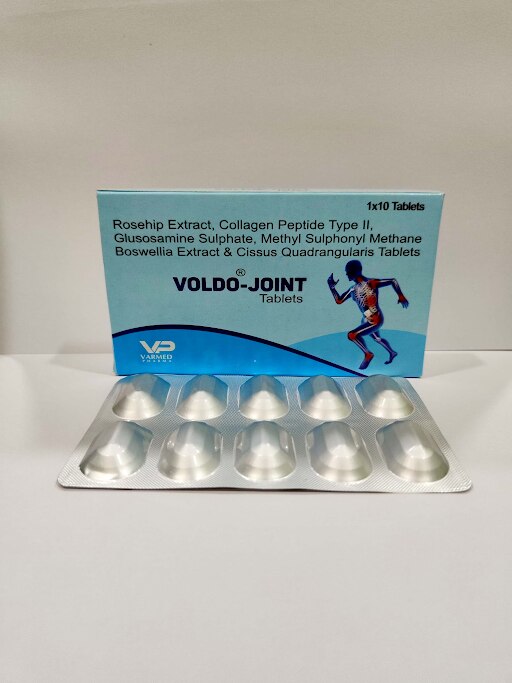
Rosehip joint-care tablets create a different selling problem from fast-acting pain medicines: patients may expect immediate relief while the product requires careful positioning, screening and follow-up. By the end, you will know how to assess demand, compare formulations, check legal and quality documents, and prevent unsafe or unsupported promotion.
Key takeaways
- Do not position rosehip tablets as substitutes for prescription painkillers.
- Compare ingredient doses, evidence, shelf life and landed cost before stocking.
- Refer customers with injury, swelling, fever or unexplained persistent joint pain.
- Ask for the manufacturer’s licence, batch documents and written return terms.
Why joint-care tablets are difficult to sell through a general-medicine franchise
Joint pain is common, but a rosehip joint-care tablet can sell poorly because buyers expect quick relief while a supplement-style product may provide slow, modest or uncertain improvement. It is not interchangeable with diclofenac, aceclofenac, paracetamol, serratiopeptidase or muscle relaxants, which customers already recognise as pain-treatment options.
Sales become difficult when:
- Relief is not obvious after one or two doses, so customers stop before any longer-term assessment.
- Repeat purchases remain uncertain because benefit differs by person and the product does not treat every cause of pain.
- Demand rises during colder months or periods of reduced mobility, then falls when seasonal discomfort eases.
- Familiar analgesic tablets win the immediate purchase, even when repeated self-medication is unsuitable.
A pharmacist can separate the conversation by asking whether the customer describes gradual knee or hip stiffness, reduced mobility and pain after activity, or wants something for pain that started today. The first discussion may fit an osteoarthritis-related joint-support product; the second calls for appropriate clinical assessment rather than an implied substitute for an analgesic.
A hot, rapidly swollen joint, fever, trauma or inability to bear weight requires referral.
Treating a general medicine franchise rosehip joint care tablets in Haryana as a ready-made opportunity creates another risk. Before stocking or promoting it, define whether it is a drug, an FSSAI-regulated food or health supplement, or an Ayurvedic medicine.
The legal category determines its claims, label, licence and clinical role; Haryana location does not change that.
How to compare a collagen and glucosamine franchise product before stocking it
Two tablets are genuinely comparable only when their documents describe the same active forms, quantities, serving and quality controls—not when both use “joint care” on the front panel.
| Document check | What to compare |
|---|---|
| Full composition | Every ingredient’s full name and quantity per tablet and daily serving, including Boswellia species or named extract and amount. |
| Rosehip identity | Exact botanical name, plant part used, extraction method and standardization marker; “rosehip” alone is insufficient. |
| Collagen identity | Type II collagen source, declared quantity, whether it is hydrolysed into peptides, and the allergen statement. |
| Glucosamine form | Glucosamine sulfate or glucosamine hydrochloride, plus the stated salt amount or elemental glucosamine amount. |
| Pack and use | Tablet count, serving directions, total pack size and any dosing difference between products. |
| Traceability and quality | Batch number, expiry date, stability information and a batch-specific certificate of analysis. |
Do not transfer evidence from one standardized rosehip preparation to another product. The same applies to one glucosamine salt or collagen product; composition, dose and processing can change the evidence.
“Clinically proven,” “patented formula” and “FDA approved” do not replace product-specific proof. Ask for the composition sheet, label, stability record and certificate of analysis before adding a collagen glucosamine franchise product to stock. A catalogue claim cannot establish that the tablet contains the preparation studied in a clinical trial.
Which customers need counselling, screening or medical referral
A joint-care tablet conversation is unsafe when the complaint may be an acute condition rather than osteoarthritis-associated stiffness. Use this quick screen before discussing a rosehip tablet franchise in haryana:
| Presentation | What it may indicate | Action |
|---|---|---|
| Mild, longstanding stiffness after rest, without injury or systemic symptoms | Osteoarthritis-associated symptoms | Counsel on label use; refer if persistent, severe or worsening |
| Sudden pain after a fall, blow or twist; deformity; inability to bear weight | Fracture or significant injury | Refer urgently; do not sell it as the first response |
| Hot, red or rapidly swollen joint, especially with fever | Infection or acute inflammatory attack | Same-day medical referral |
| Sudden severe pain, possible gout, several swollen joints or morning stiffness with systemic symptoms | Gout or inflammatory arthritis | Medical assessment before supplementation |
| Severe unexplained pain or rapidly worsening symptoms | Serious cause not established | Refer rather than recommend a tablet |
Ask about warfarin and other anticoagulants, diabetes medicines, and multiple pain medicines, including combination products. Refer for medication review when glucosamine is present. Check the glucosamine source and excipients before advising anyone with a shellfish allergy.
The available product information does not establish contraindications, interactions, age limits, pregnancy guidance, dose, frequency or treatment duration. Staff must not invent them. “Natural” and “herbal” do not remove the need to read the label, check ingredients and refer when symptoms or medicines create risk.
What a Haryana franchise buyer must verify before signing or ordering
A joint care tablet distributor in Ambala should verify the product file, licence, territory and stock terms before paying for an appointment. Do not accept a catalogue as proof of suitability.
Classification depends on composition, presentation, intended use and claims. Ask the supplier to identify the legal category in writing:
| Category | Documents to demand | What to check |
|---|---|---|
| Drug | Applicable manufacturing licence, product specification, label and batch certificate of analysis | Claims and ingredients match the licensed product |
| FSSAI food or health supplement | FSSAI licence, specification, compliant label and batch certificate of analysis | The label does not present the product as treating or preventing disease |
| Ayurvedic medicine | Applicable Ayurvedic manufacturing licence, formula, label and batch certificate of analysis | The stated ingredients and claims match the approved category |
Also request expiry records and stability data, including storage conditions and shelf-life evidence. Check the full ingredient quantities, batch number, manufacturing date and expiry date on delivered stock.
A PCD appointment does not itself authorise wholesale distribution. Confirm that you hold the applicable wholesale drug licence for drug products, or the required FSSAI compliance arrangement for foods and supplements.
Put these commercial terms in the agreement:
- Exact territory and whether exclusivity is enforceable
- Minimum order, margin and payment terms
- Batch-wise expiry and storage requirements
- Short-dated stock, returns and replacement procedure
- Complaint handling, adverse-event reporting and recall responsibilities
A territorial “monopoly” is a private distribution arrangement, not a statutory monopoly. A buyer evaluating Varmed Pharma Pvt Ltd or any general medicine franchise in Ambala should obtain product-specific documents before signing.
Related product
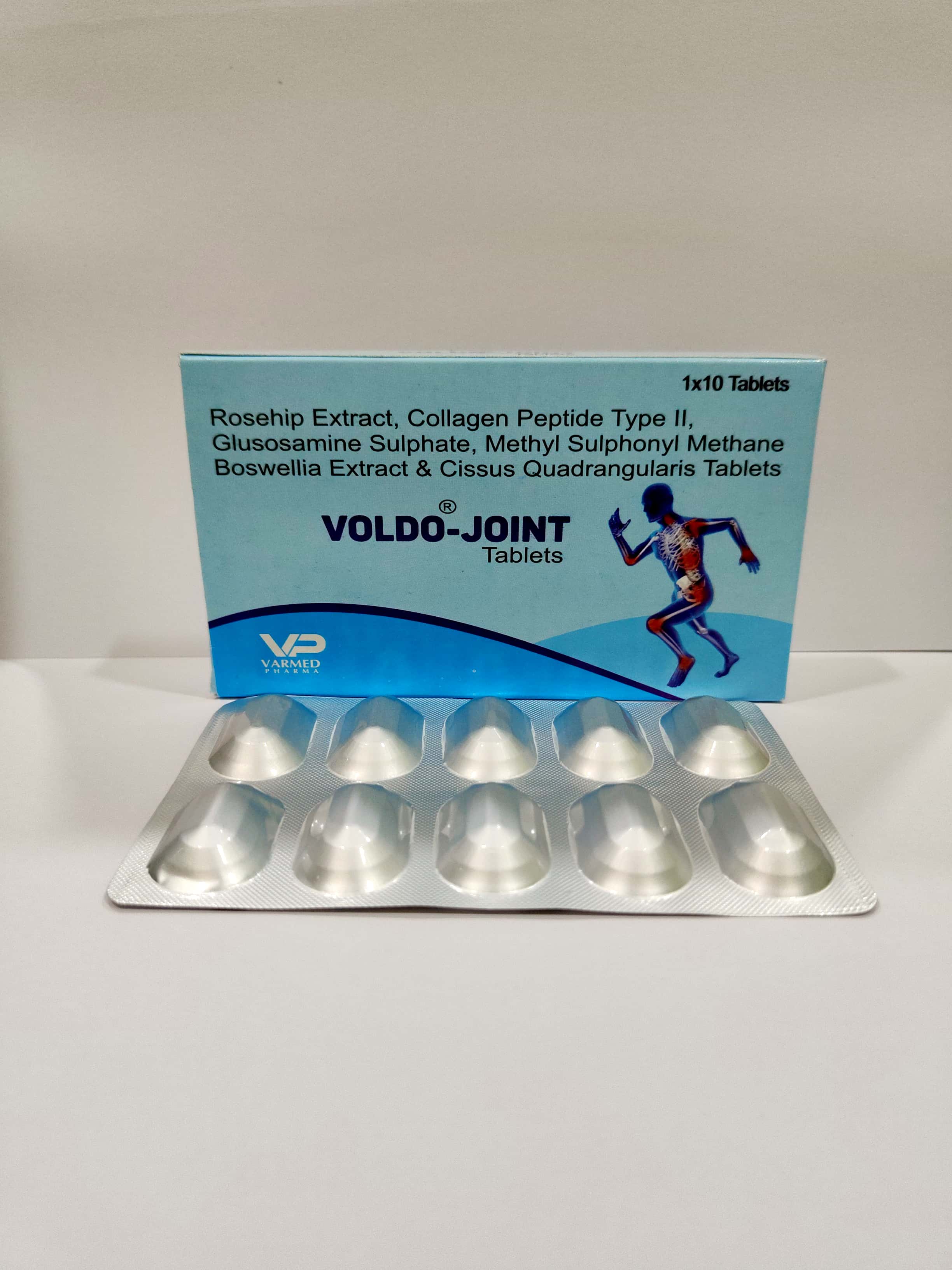 | TABLET Rosehip Extract 100 mg+Collagen Peptide (Type II)40m g +Glusomine Sulphate 500 mg+MSM 200mg+Boswell ₹3100 Voldo-Joint Tablet is a joint-support and pain-relief formulation developed to improve joint lubrication, reduce stiffness, and enhance mobility in... View product → |
How to promote, dispense and review the product without creating avoidable losses
Begin with a label briefing, not a treatment promise. Show the customer the composition, serving directions, warnings, batch number and expiry, and avoid assigning a fixed treatment duration.
| Step | What you do | Loss or risk avoided |
|---|---|---|
| Label briefing | Explain that benefit is uncertain and product-dependent; do not promise cartilage repair, guaranteed pain relief, restored lubrication or reversal of arthritis unless the label and evidence support it. | Misleading claims and unsuitable expectations |
| Dispensing | Check the customer’s complaint and ask about other pain medicines before suggesting joint support. | Confusing supplementation with acute pain treatment |
| Review | Follow up when the customer returns. If symptoms persist or worsen, stop unsupported repeat selling and refer for assessment. | Repeated sales that delay needed care |
| Stock control | Compare seasonal orders with repeat-purchase data, monitor short-dated batches and avoid large opening orders until demand is proven. | Expiry-related inventory loss |
Record each sale or complaint in a simple register:
- Date sold and batch number
- Customer complaint and other pain medicines
- Suspected adverse effects
- Referral advice and follow-up outcome
Do not present a rosehip tablet franchise in Haryana as an analgesic substitute. Its responsible use depends on the specific product’s evidence, label and legal category, not on claims that all joint-care formulas work alike. A compliant operation grows through counselling and stock discipline, not guaranteed pain-relief messaging.
Frequently asked questions
Why are rosehip joint-care tablets difficult to sell through a general-medicine franchise?
Customers often expect rapid pain relief, while rosehip, collagen or glucosamine products may deliver slower, modest or uncertain results. They are not interchangeable with diclofenac, aceclofenac, paracetamol, serratiopeptidase or muscle relaxants.
How should you compare a collagen and glucosamine franchise product before stocking it?
Check the exact ingredient forms and quantities per tablet, recommended serving, evidence for the intended claim, expiry period, packaging, landed cost, retailer margin and supplier replacement policy.
Which joint-pain customers need counselling, screening or medical referral?
Refer customers with sudden severe pain, injury, hot or visibly swollen joints, fever, unexplained weight loss, deformity, weakness or symptoms that persist without diagnosis. Ask about pregnancy, allergies, kidney disease and current medicines before recommending a supplement-style product.
What must a Haryana franchise buyer verify before ordering?
Verify the supplier’s legal name and address, product classification, manufacturing and drug or food licence details where applicable, batch certificate or test report, label compliance, GST invoice, expiry period, transport conditions and written terms for damaged or unsold stock.